Replacement parts guide
Jump Shoes Replacement Parts Guide for B2B Buyers
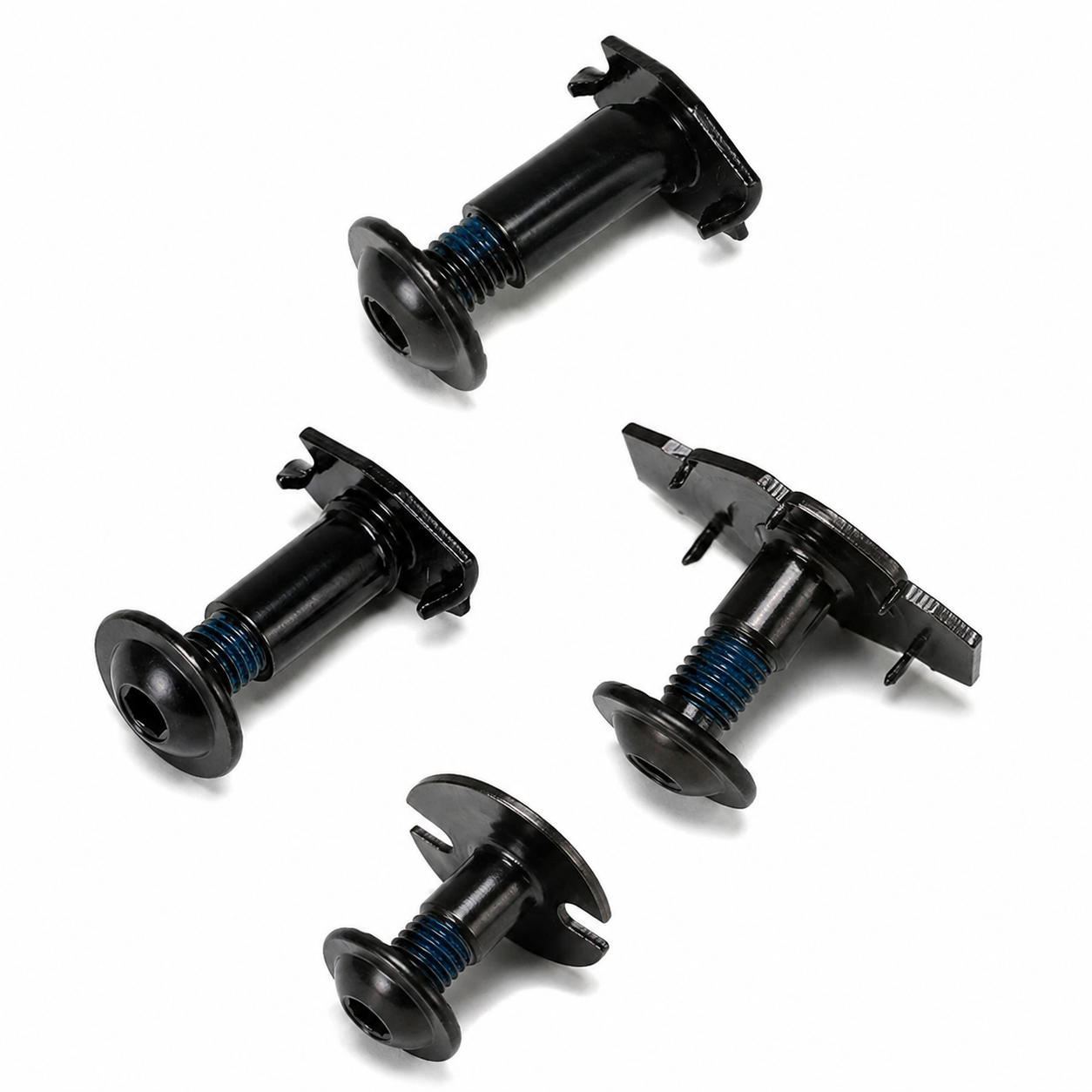
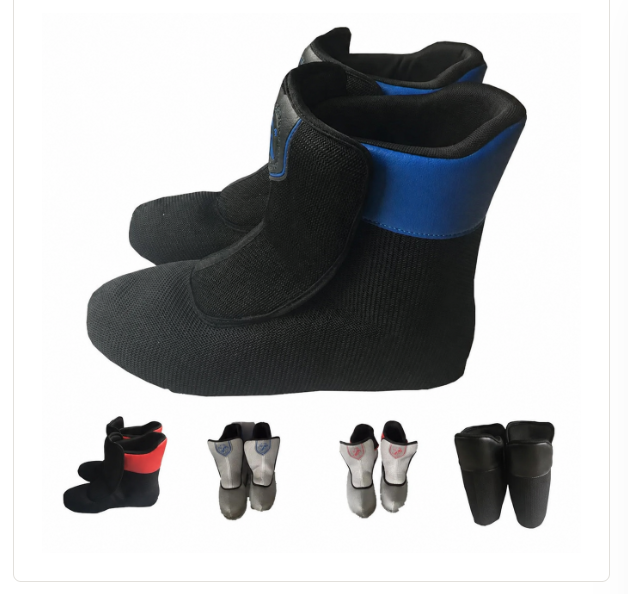
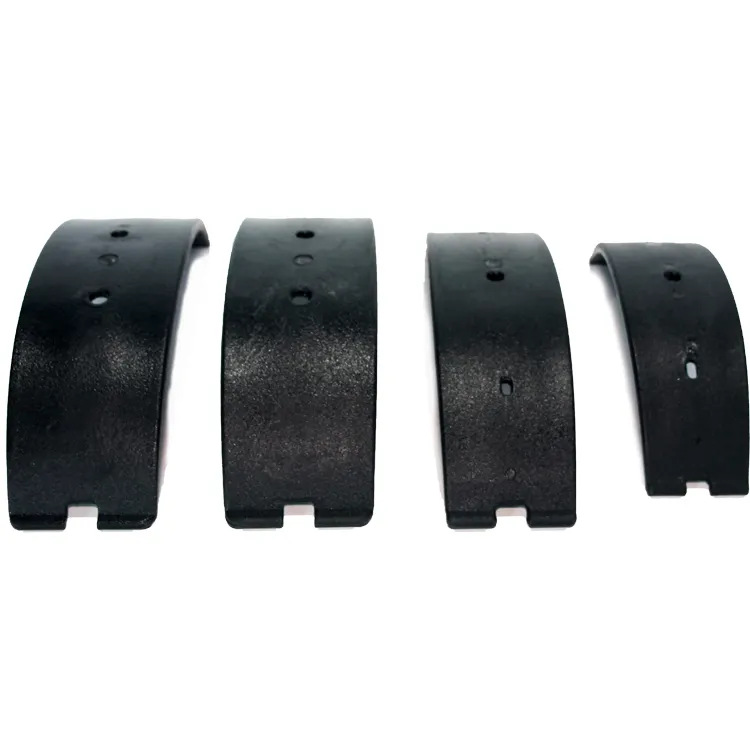
When jump shoes are sold through distributors, gyms, rental fleets, or sports retailers, the first order should not only include complete shoes. A practical B2B order also plans the small parts that keep customers using the product: springs, buckles, straps, sole mats, screws, inner sleeves, shells, and frame bow plates.
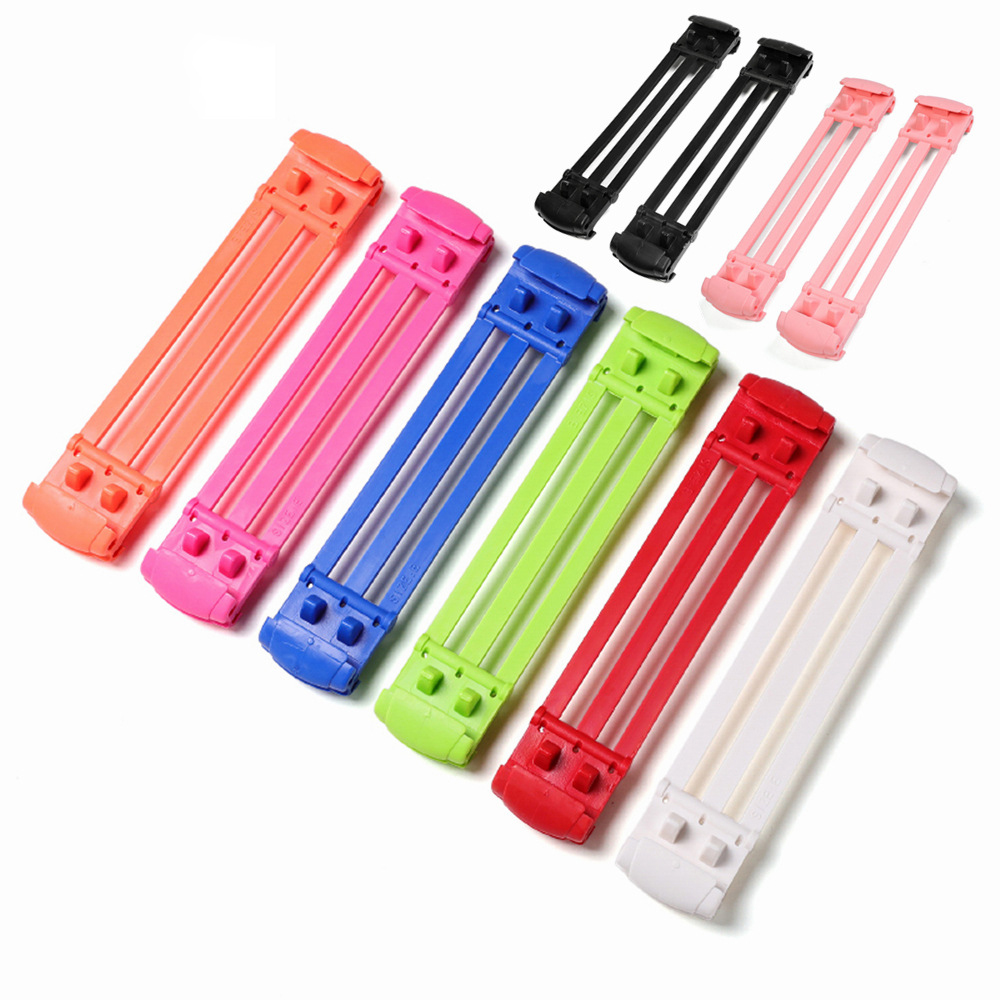
Why parts matter
Replacement parts turn a one-time sale into repeat service.
For B2B channels, after-sales capability is part of the offer. A retailer can sell a pair and later sell straps or buckles. A rental operator can replace wear parts without retiring the whole pair. A distributor can support local customers faster when common parts are already in stock.
This is also an SEO opportunity. Product pages target model and color terms, while a parts guide answers practical buyer questions and links to each replacement category.
Lower support pressure
Clear part names help customers describe what they need.
Better reorder logic
Small repair parts can be added to repeat wholesale orders.
More complete listings
Parts photos make marketplace and catalog pages feel more trustworthy.
Parts map
Common jump shoes replacement parts to keep in stock.
Use this list as a practical starting point for wholesale orders, repair kits, and rental maintenance plans.
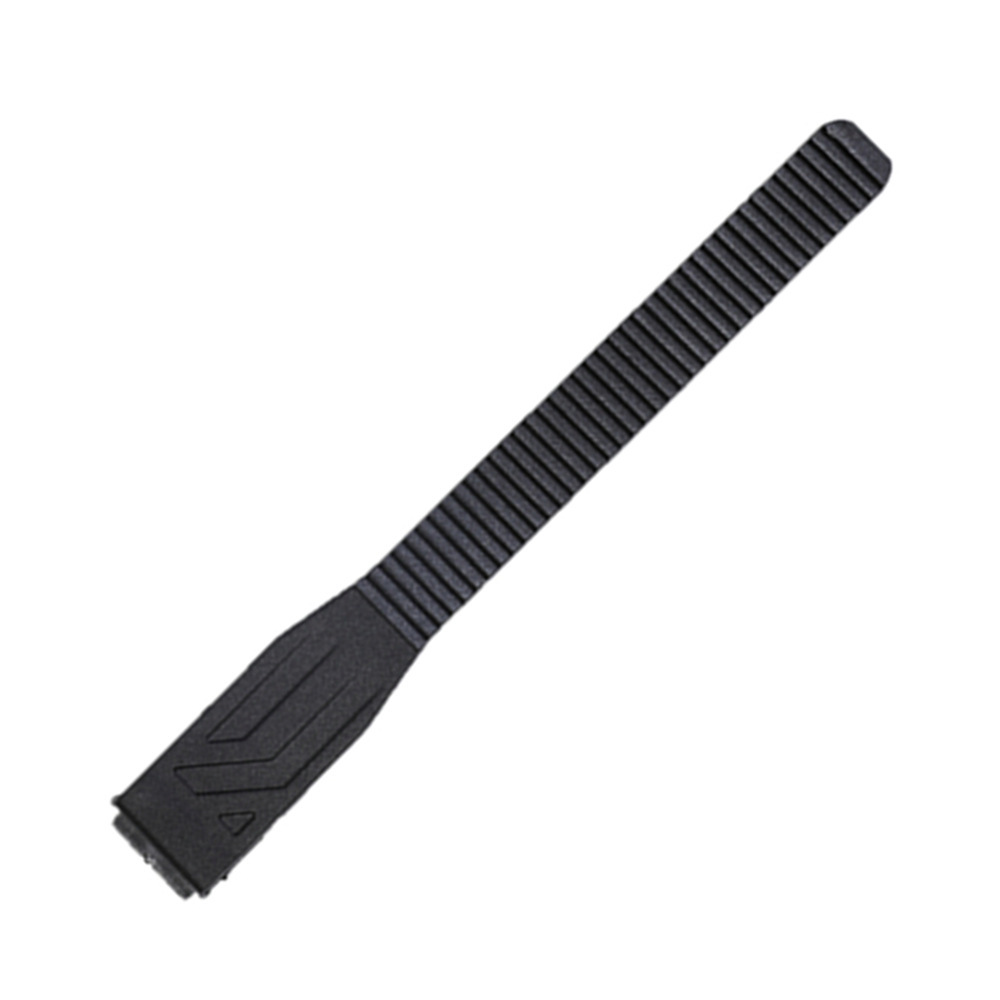
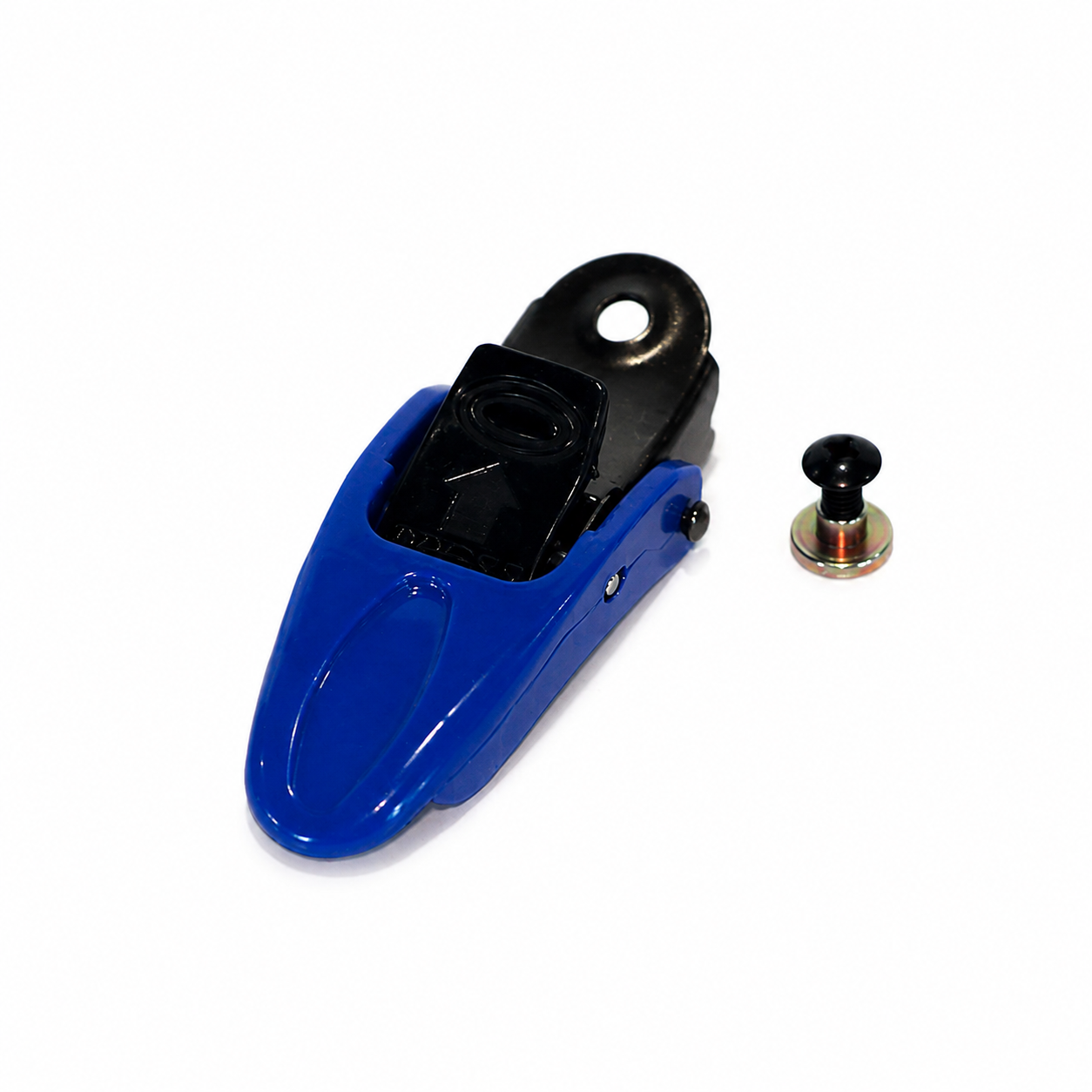
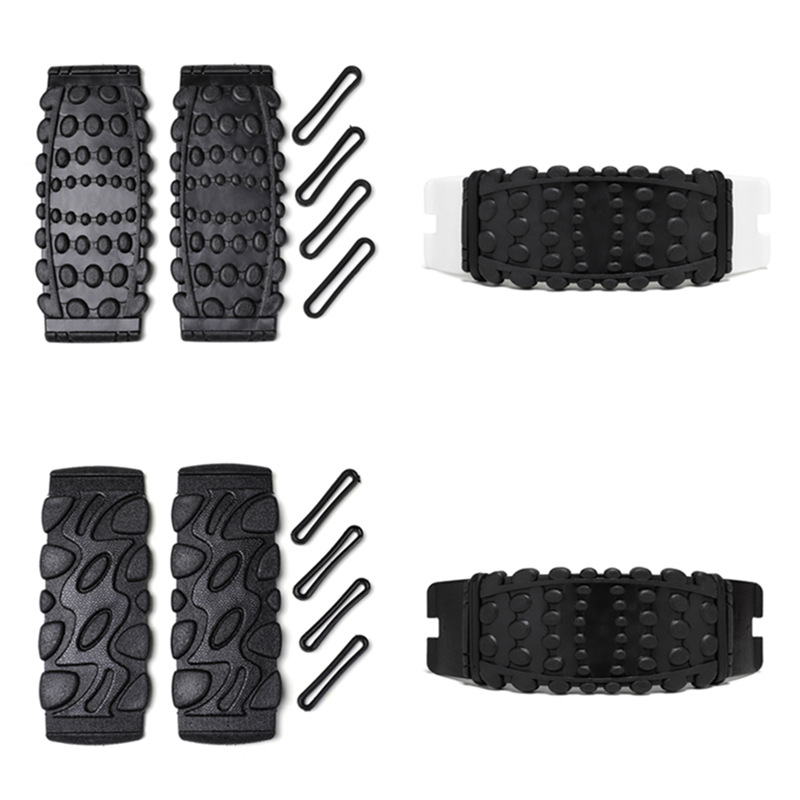

Stocking checklist
How to plan spare parts by buyer type.
A parts plan should match the selling channel. Do not copy one ratio blindly across retail, rental, and gym channels.
| Buyer type | Parts to prioritize | Reason |
|---|---|---|
| Rental operator | Springs, sole mats, straps, buckles, screws | Rental pairs see repeated use and need fast maintenance. |
| Sports retailer | Buckles, straps, inner sleeves, colorful springs | Small parts can support customer service and add-on sales. |
| Gym or studio | Springs, mats, liners, screw sets | Class equipment needs routine inspection and hygiene planning. |
| Importer or distributor | Full mixed repair kit with labeled SKUs | Local dealers need quick part matching and repeat supply. |
Compatibility
Ask buyers for photos before quoting replacement parts.
Some jump shoes look similar but use different buckle positions, frame shapes, sole mats, screws, or spring sizes. A clear photo is often faster than a long description. Ask for the shoe model, size, color, damaged part photo, and a whole-shoe side view before confirming compatibility.
For wholesale buyers, the best workflow is simple: identify the shoe line, confirm the part, quote sample parts if needed, then add repair stock to the next shoe shipment.
Fast matching request
- Whole-shoe side view photo.
- Close-up photo of the part.
- Model or color if known.
- Shoe size and user weight range if relevant.
- Quantity needed for repair stock.
FAQ
Jump shoes replacement parts questions.
Can replacement parts be ordered separately?
Yes. Common jump shoes parts can be ordered separately or added to a wholesale shoe shipment.
Which parts are best for a first repair kit?
Start with springs, straps, buckles, sole mats, screws, and inner sleeves. Add frame parts if your channel handles rental or heavy use.
Can you match parts for similar jump shoes?
Send clear photos of the shoe and the part. Similar-looking shoes may still use different components, so photo confirmation is important.
Should replacement parts have their own product pages?
Yes. Individual parts pages help buyers find the exact item, improve internal linking, and make repeat orders easier.