Jump shoes guide
Jump Shoes Guide: How They Work, Sizes, Safety and Buying
Jump shoes, also called bounce shoes or rebound shoes, are specialty fitness shoes with a curved spring frame below the boot. For a consumer, the main question is whether they are fun and safe to use. For a distributor, gym, rental operator, or sports retailer, the better question is broader: which model, which size mix, which spare parts, and which content package will make the product easier to sell and maintain?
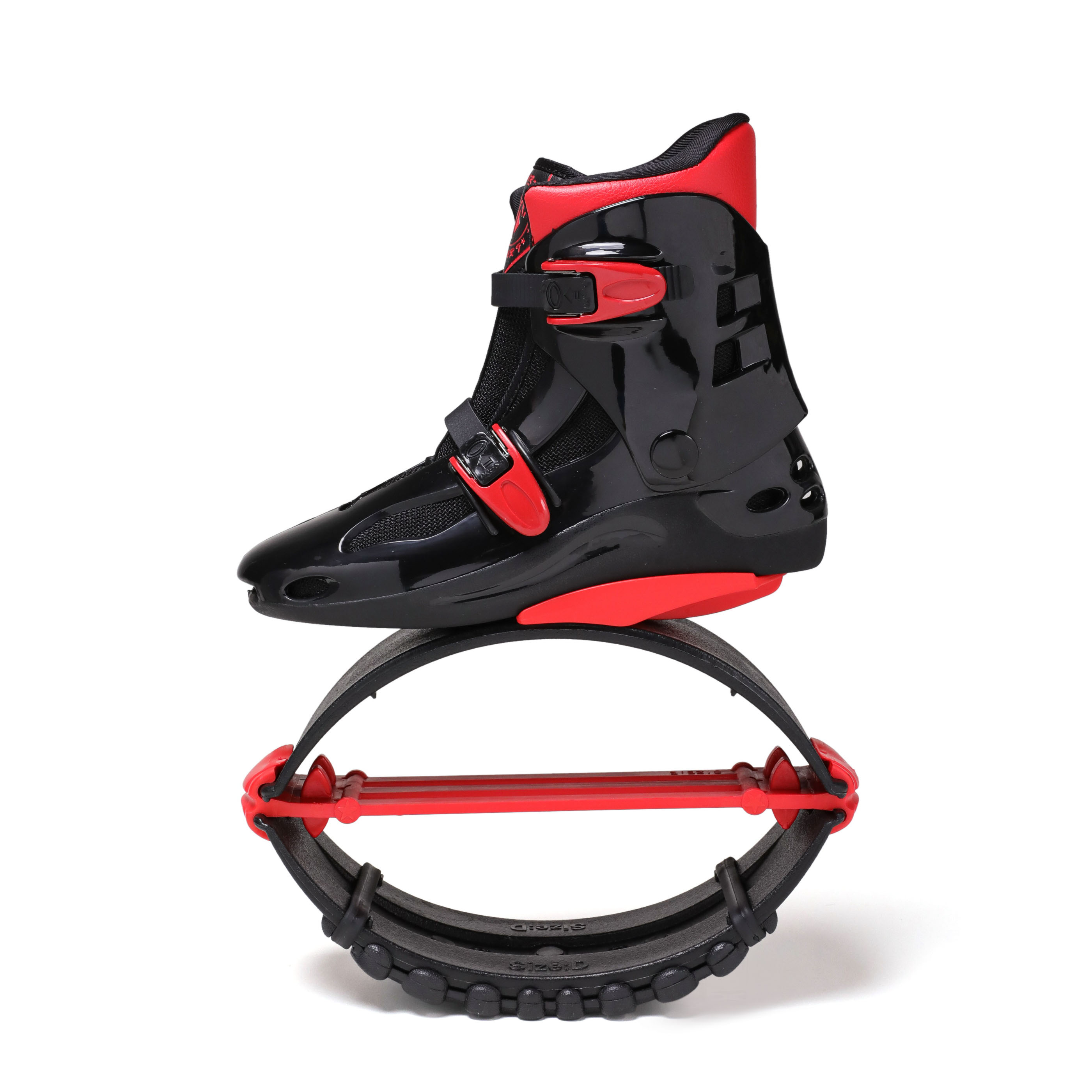
How they work
Jump shoes use a boot plus rebound frame structure.
A typical pair combines a supportive upper boot with a curved rebound frame. The boot keeps the foot secured. The lower frame stores and releases energy when the user steps, jogs, or performs controlled bouncing movements. The result is a spring-assisted movement experience used for fitness classes, outdoor exercise, promotional events, and novelty sports retail.
On the product instruction sheet, the major labeled areas include a protective cover, convenient buckle, ventilation guidance, T-type spring, shell, securing clip, and skid-resistant flooring. These names are useful for B2B product pages because they help buyers understand what they are looking at instead of seeing the item as a generic toy.
Upper boot
Controls fit, ankle support, buckling, and comfort for different users.
Rebound frame
Creates the bounce feel and should be paired with clear load capacity guidance.
Ground contact parts
Shell, tread, securing clips, and plastic mats affect maintenance and replacement demand.
Sizing and load capacity
For wholesale buyers, size planning is a merchandising decision.
Many jump shoe instruction sheets separate sizes such as XS, S, M, L, and XL with a load capacity table. Before ordering, ask the supplier for the latest size chart, load capacity, and packaging details. A marketplace seller may need a balanced size mix, while a rental operator may need more adult sizes and more spare parts.
| Buyer type | Recommended focus | Why it matters |
|---|---|---|
| Sports retailer | Multiple sizes and visual colors | Improves shelf presentation and online catalog coverage. |
| Rental operator | Durable parts and repeatable size mix | Reduces downtime when buckles, straps, or mats need replacement. |
| Fitness studio | Adult sizes, training guidance, repair kits | Supports class operations and safer beginner onboarding. |
| Importer or distributor | Carton data, samples, spare parts, OEM options | Makes customs planning, sales testing, and reorder planning easier. |
Safety notes
Safety content is part of the product, not an afterthought.
Jump shoes should be introduced as sports equipment. Adults should read the operation guide before use, check that the spring housing is correctly assembled, and recommend protective gear. Beginners should start from a stable position, stand up with support, then practice slow walking before moving into faster exercise.
For children, adult supervision is essential. The instruction sheet also warns against use while playing football and notes that the product applies to users above 5 years of age. B2B sellers should adapt the final safety language to their market, local regulations, and confirmed product manual.
Retail page safety checklist
- Show the recommended age and load capacity clearly.
- Tell beginners to practice balance step by step.
- Recommend protective gear in product copy and manuals.
- Explain how to check whether the spring is open or closed.
- Keep replacement parts available for after-sales service.
Product selection
Start with sellable colors, then build the spare-part plan.
For a new channel, it is usually better to test clear colorways and a practical size mix before placing a deep order. After the first sales data comes in, repeat orders can focus on the sizes, colors, and replacement parts that buyers actually request.
TL-01Core model
TL-01 Black / Red
Strong retail colorway for product pages, social videos, and wholesale sample orders.
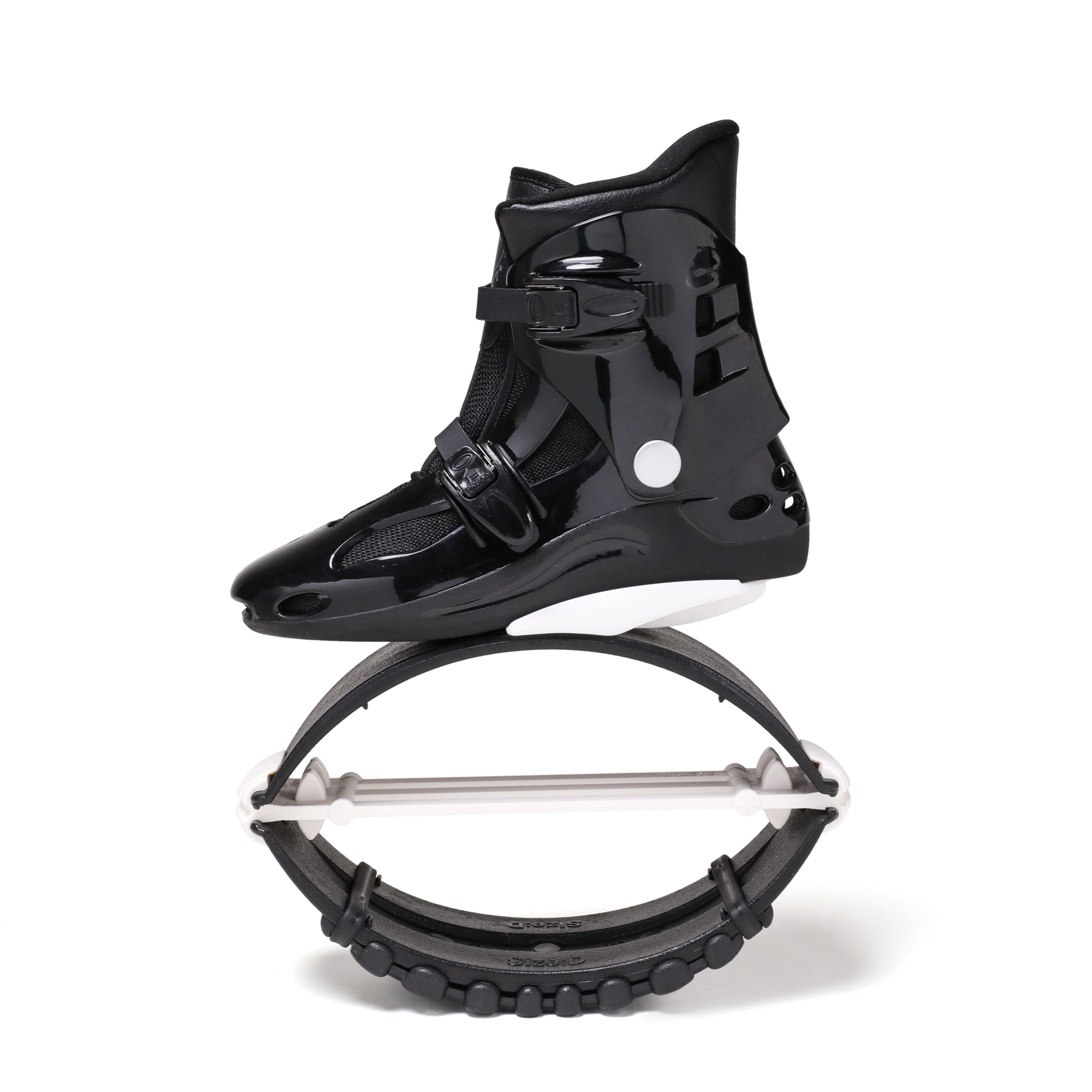 TL-02
TL-02Core model
TL-02 Black / White
Neutral option for sports retailers, studios, and buyers who prefer a cleaner catalog.
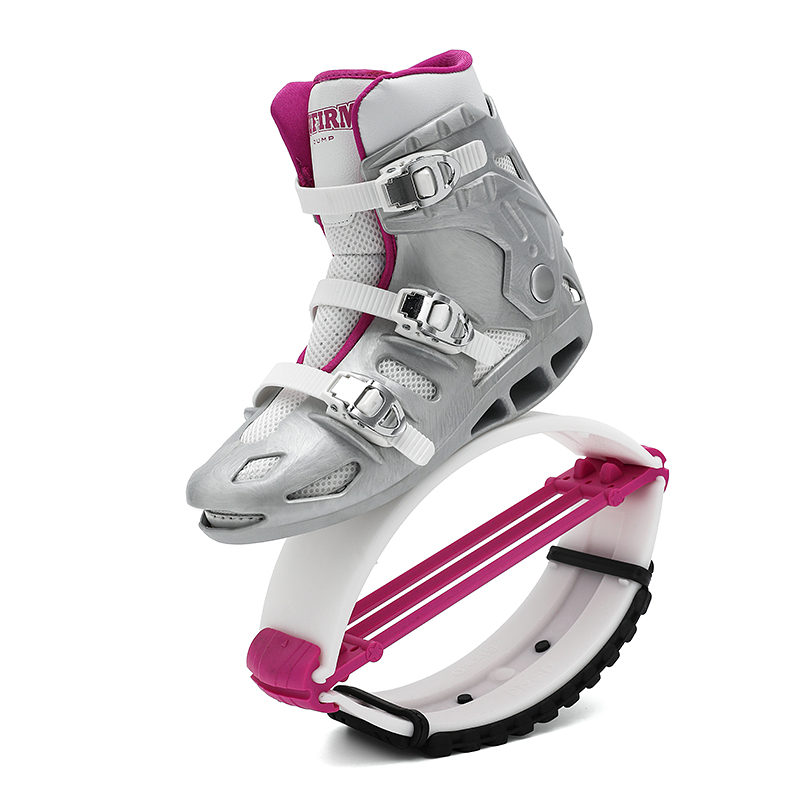 Gen2
Gen2New line
Generation 2
A separate visual line for buyers who want a newer product story and model upgrade.
B2B checklist
What to ask before a wholesale jump shoes order.
The best wholesale order is not only a price conversation. Ask for product photos, color list, size list, carton packing data, spare-part options, sample availability, and OEM possibilities. If you sell through marketplaces, request enough visual material to build a complete product listing: side view, pair view, front angle, rear detail, buckle detail, frame detail, and parts.
Confirm the model
Compare TL-01, TL-02, and Gen2 based on audience, price point, and product positioning.
Plan mixed cartons
Choose a practical color and size mix for testing instead of overstocking one SKU.
Add repair parts
Stock straps, buckles, springs, plastic mats, screws, inner sleeves, and frame parts.
Prepare local copy
Translate safety guidance, size charts, and use instructions for your sales market.
FAQ
Common jump shoes questions.
Are jump shoes the same as bounce shoes?
In most buyer searches, yes. Jump shoes, bounce shoes, rebound shoes, and jumping boots usually refer to the same broad product category.
What replacement parts should a distributor stock?
Common repeat parts include springs, buckles, straps, plastic mats, screws, inner sleeves, shells, and frame bow plates.
Can jump shoes be used for rentals?
Yes, but rental operators should plan stricter inspection routines, more protective guidance, and a larger spare-part inventory.
Can we order OEM colors or packaging?
OEM colors and packaging can be discussed after confirming model, order quantity, timeline, and the target market requirements.
Which size chart should wholesale buyers use?
Use a size chart that combines shoe size, user weight, and spring load range, especially when buying for gyms, rentals, schools, or mixed adult and youth programs.
Do rental businesses need replacement parts with the first order?
Yes. Rental fleets should stock straps, buckles, sole mats, screws, spring bars, and liners so daily inspection and repair do not stop bookings.