Wholesale sample validation
Jump Shoes Sample Order Checklist for Wholesale Buyers
A jump shoes sample should answer specific purchasing questions before you discuss a larger order. Use this checklist to plan the sample set, record what arrives, test the product in a controlled setting, and convert observations into written bulk-order requirements.

Start with a decision
Define what the jump shoes sample must prove.
A sample is useful only when it is tied to a decision. A distributor may need to compare retail presentation and size coverage. A gym may need to evaluate fitting workflow and service stock. A rental operator may care more about repeated inspections, cleaning, and component replacement.
Write the approval questions before requesting a quote. This keeps attractive colors or a low sample price from becoming the entire evaluation. For broader commercial planning, use the wholesale jump shoes buying guide alongside this page.
Market fit
Identify the buyer type, use scenario, expected users, target price position, and sales channel.
Product fit
Define which models, colors, foot lengths, catalog sizes, and applicable load ranges need validation.
Supply fit
List the packing, labeling, instructions, spare parts, and communication details required for a repeat order.
Before payment
Jump shoes sample order request checklist.
Send the same structured request to each shortlisted supplier so that responses can be compared on the same basis.
| Decision area | Confirm with the supplier | Record in your sample plan |
|---|---|---|
| Buyer scenario | Whether the product is intended for distribution, retail, gym classes, rental, or another supervised program. | Market, buyer type, expected users, and planned evaluation date. |
| Model and color | Current reference photos and the exact sample configuration being quoted. | Model name, color, image reference, and quantity. |
| Size and load | The current size chart and applicable load guidance for the exact model. | Tester foot length, intended size, relevant load range, and fit questions. |
| Packing | What is included in the sample carton and which labels or printed materials will be supplied. | Carton, pair protection, instructions, labels, and visible condition on arrival. |
| Spare parts | Compatible service components and the information needed for later matching. | Requested parts, model compatibility, quantity, and photo references. |
| Commercial terms | Sample quotation, payment terms, shipping method, destination, and which bulk-order points remain provisional. | Quoted scope, exclusions, documents, dates, and unanswered questions. |
On arrival
Photograph the carton before testing the product.
Keep a simple receiving record: closed carton, shipping label, open carton, included materials, pair condition, model, color, and size markings. Compare these with the agreed sample list before separating packaging from the product.
If anything differs, take clear photos and ask the supplier to explain it before drawing conclusions about a future bulk order. The wholesale packing photo guide shows the photo categories buyers can request during packing discussions.

Before first use
Inspect every sample as an equipment system.
Do not judge only the boot upper. Check the assembled product and the parts that affect fitting, rebound, ground contact, maintenance, and future matching.
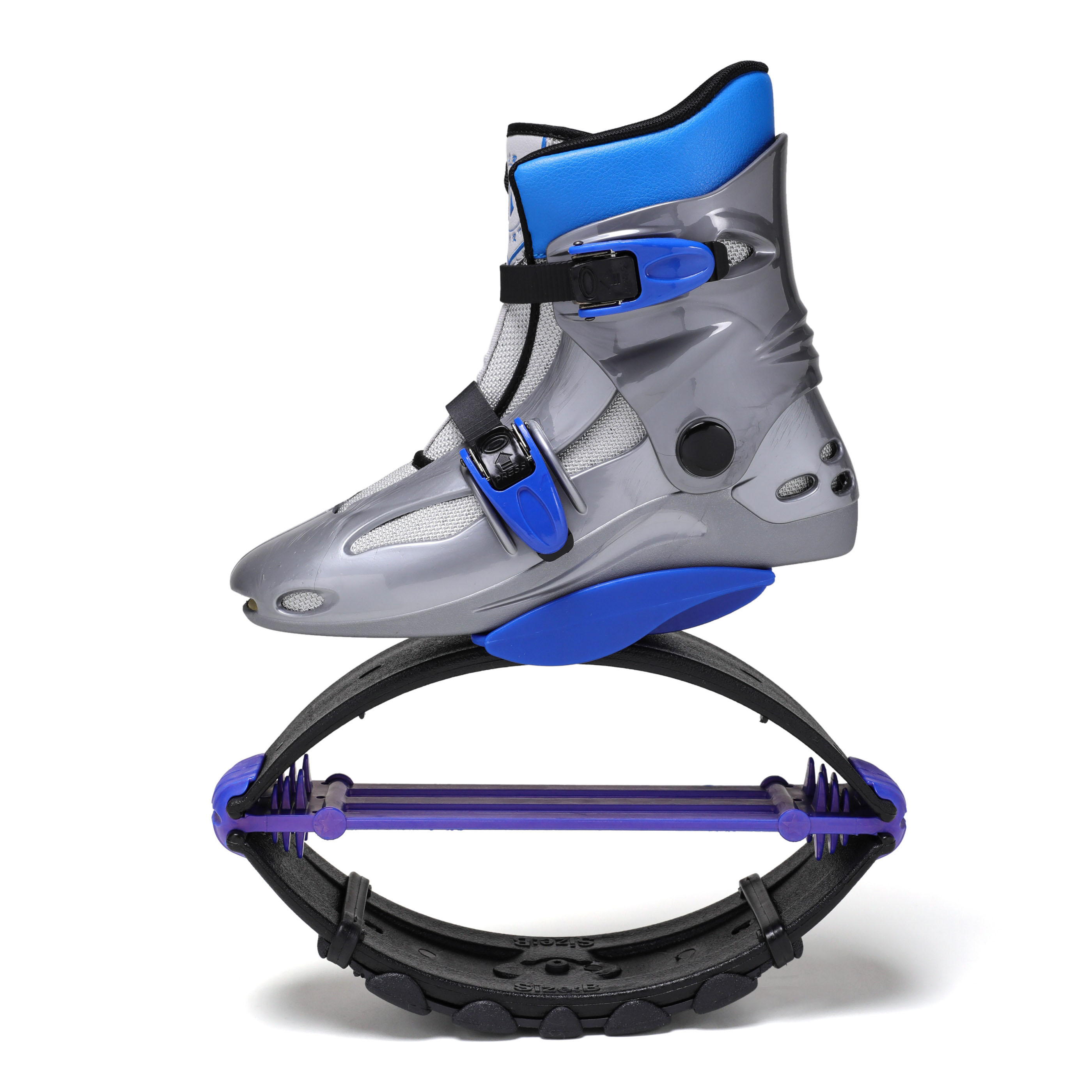 Model reference
Whole product
Match the agreed sample
Compare the physical pair with the model, color, size, component layout, and reference photos in the quotation.
 Bulk reference
Packing evidence
Translate the sample into packing criteria
Use sample findings to define model, color, size, labeling, instructions, and photo checkpoints for a later order.
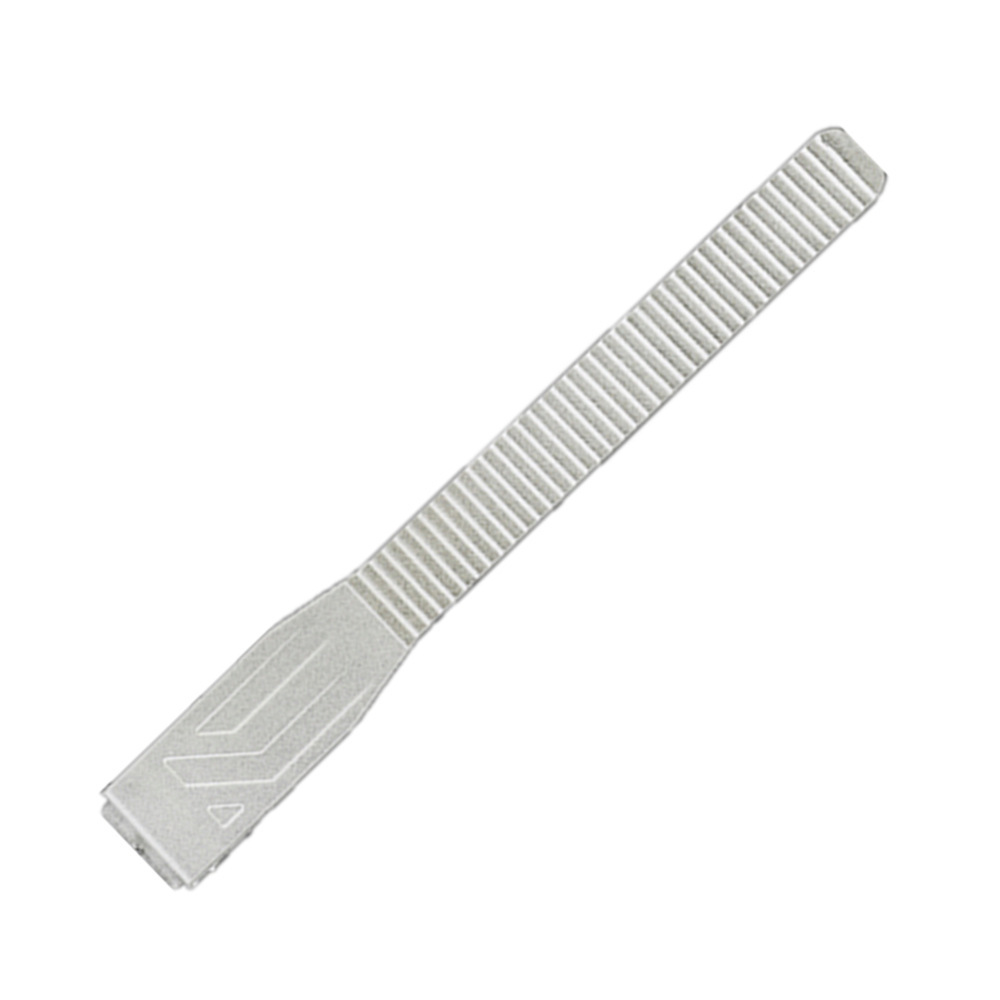 Component detail
Parts support
Check serviceable components
Record fastening and attachment details, then confirm which replacement parts are compatible with the sampled model.
Controlled evaluation
Use one scorecard for fitting and supervised testing.
Follow the instructions for the exact model and keep the first-use environment controlled. Protective equipment, adult or trained supervision, and gradual practice should be addressed before testing.
| Check | What to observe | Evidence to keep |
|---|---|---|
| Size selection | Whether foot length, catalog size, and applicable load range were checked using the current model guidance. | Tester details, selected size, chart version or supplier message, and any fit note. |
| Fitting | Liner position, foot entry, closure sequence, strap adjustment, buckle operation, and secure hold. | Front, side, and fastening photos plus comments from the person fitting the product. |
| Static inspection | Shell, liner, straps, buckles, spring bars, hardware, frame, and floor-contact components. | Pass, question, or stop-use status with close-up photos of concerns. |
| First use | Ease of balance practice, unusual movement or sound, and whether the pair remains correctly fastened. | Short observation notes from a supervised test; do not invent performance claims. |
| After use | Fastening condition, visible movement, contact surfaces, cleaning needs, and any change from the initial check. | Post-use photos and a list of questions for the supplier. |
Review the jump shoes safety guide for beginner preparation and the maintenance checklist for recurring fleet inspections.
Bulk-order gate
Turn sample observations into purchase specifications.
A successful sample does not automatically approve every future unit. It gives the buyer evidence for a clearer purchase specification. Write down the accepted model and color references, approved size mix, current load guidance, packing arrangement, included materials, spare-part list, and photo checkpoints.
Keep unresolved questions visible. If a feature, document, price, lead time, or market requirement has not been confirmed, label it as pending instead of treating it as fact. Reconfirm the final commercial and product details in the bulk quotation or purchase agreement.
Sample approval record
- Approved model, color, and physical reference sample.
- Size and applicable load guidance confirmed for each selected model.
- Fitting, fastening, rebound, and post-use checks recorded.
- Packing, labels, instructions, and included items documented.
- Compatible spare parts and matching information listed.
- Open questions, requested changes, and recheck owners assigned.
Clear follow-up
Send a photo-backed sample report to the supplier.
Organize feedback by model and size. Separate confirmed observations from preferences and questions. For a component issue, include a whole-shoe view, the model or size label, a close-up, attachment points, and measurements when requested.
Approved
List the details that can become bulk-order requirements without further changes.
Change requested
Describe the desired result, attach the relevant photo, and ask whether another sample is needed.
Pending confirmation
Keep commercial terms, documents, compatibility, and market-specific requirements open until verified.
FAQ
Jump shoes sample order questions.
What should a jump shoes sample order include?
Choose samples that answer your actual buying questions. Confirm model and color references, selected sizes and applicable load ranges, packing and instruction materials, and any compatible spare parts needed for evaluation.
How many jump shoes samples should I order?
There is no universal quantity. Order enough models and sizes to test your intended users and sales scenario without turning the sample stage into an unvalidated bulk order.
What should I inspect when the samples arrive?
Match the shipment to the agreed model, color, size, packing, and included materials. Inspect the shell, liner, straps, buckles, spring bars, hardware, frame, and floor-contact parts before supervised testing.
When is a sample ready for bulk-order approval?
Approve it only after checking a written scorecard for fit, applicable load range, fastening, controlled use, product consistency, packing, instructions, parts compatibility, and unresolved questions.