Beginner safety and B2B onboarding
Are Jump Shoes Safe? 5 Checks Before First Use
Jump shoes can be used more confidently when fit, load capacity, fastening, protective gear, and the practice area are checked before movement. This page gives beginners a five-step first-use checklist and gives B2B buyers a repeatable inspection process.

Before use
Safety starts before the user stands up.
The most important safety moment is not the first jump. It is the fitting check before movement begins. Buyers should confirm that the pair matches the user's foot length and load range, that the straps and buckles close securely, and that the frame, spring, shell, screws, and floor-contact mat are in normal condition.
For wholesale and rental buyers, this step should become a printed or staff-facing checklist. A clear checklist turns product safety from a vague warning into an operating habit.
Fit
Match catalog size, foot length, and load bearing before practice.
Fastening
Close buckles and straps before the user stands or walks.
Area
Use a clear, flat practice area with enough space for slow movement.
Operating checklist
Beginner safety checklist for jump shoes.
Use this table for product pages, rental counters, training rooms, and distributor onboarding documents.
| Step | What to check | Why it matters |
|---|---|---|
| 1. Read instructions | Adults, staff, or trainers should read the operation guide before first use. | Beginners need clear expectations before standing up. |
| 2. Choose the right size | Confirm foot length, catalog size, and load capacity together. | A shoe can feel wearable but still be wrong for weight or use scenario. |
| 3. Wear protective gear | Prepare protective gear for children, beginners, and outdoor practice. | New users can lose balance while learning the walking rhythm. |
| 4. Practice with support | Begin seated or assisted, then stand with adult or staff support. | Slow assisted movement builds balance before independent use. |
| 5. Inspect after use | Check springs, straps, buckles, screws, shell, and sole mats. | Rental and repeated use need early detection of worn parts. |
Children and beginners
Children should learn with adult support, not by trial and error.
The supplied operation guide emphasizes adult reading before use and recommends protective gear. For children, beginners, and first-time rental users, the first practice should be slow: sit or start from a high position, fasten the shoe correctly, stand with help, then take short steps until balance improves.
Retailers and rental operators should avoid showing jump shoes as a casual toy. The better positioning is supervised sports equipment for active play, training, events, and fitness experiences.
Keep the first session simple
- Use adult or staff assistance for the first stand-up.
- Practice walking before any faster movement.
- Do not use jump shoes for football or kicking games.
- Stop and inspect the product if buckles, straps, springs, or screws feel abnormal.
Product inspection
Which jump shoes parts should buyers inspect?
Inspection is especially important for rental fleets, gyms, event operators, and resellers who receive after-sales questions from end users. If a part needs replacing, use the photo-based replacement part compatibility guide before ordering or installation.
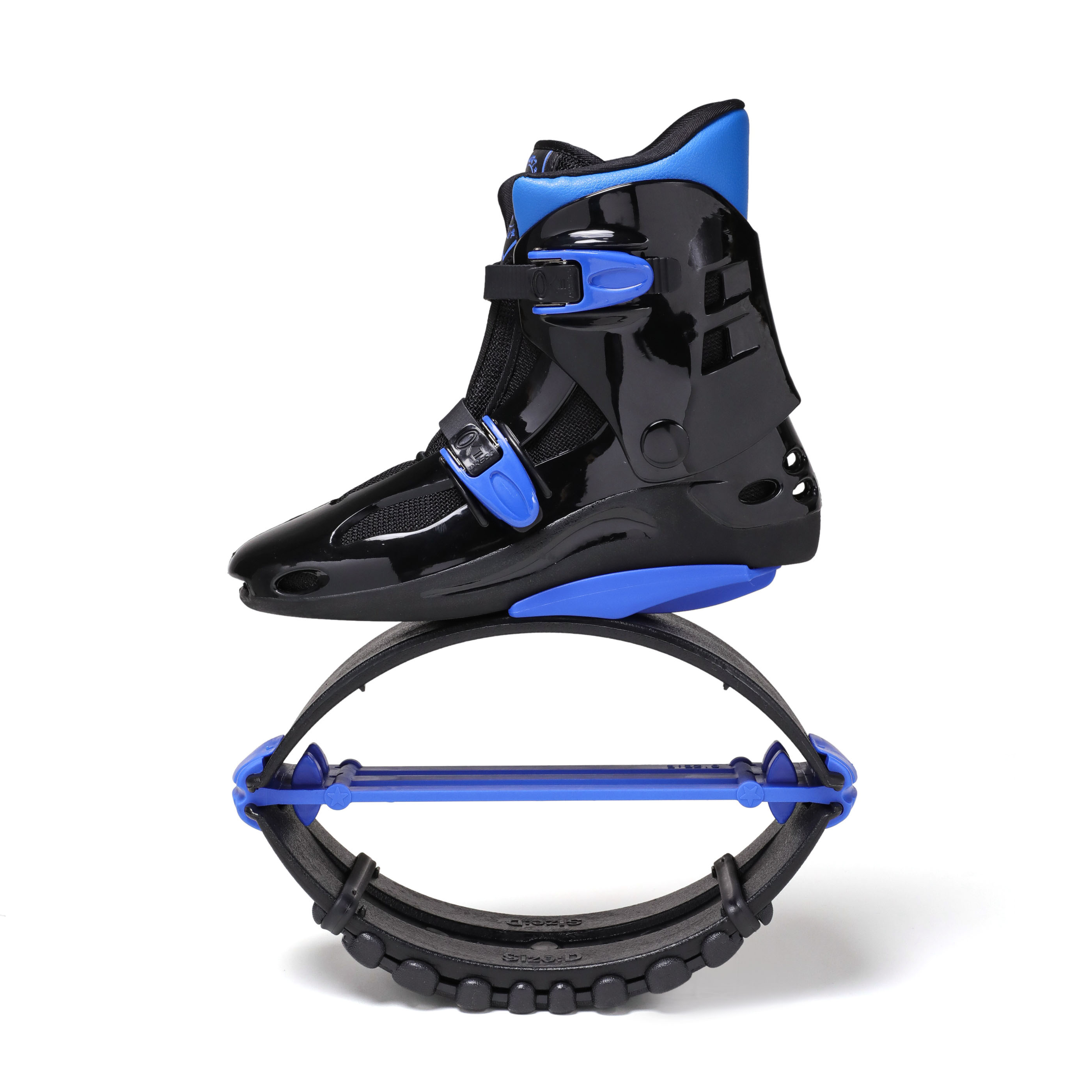 Whole shoe
Fit and frame
Whole-shoe check
Check shell, liner, buckles, straps, frame, and floor-contact area before repeat use.
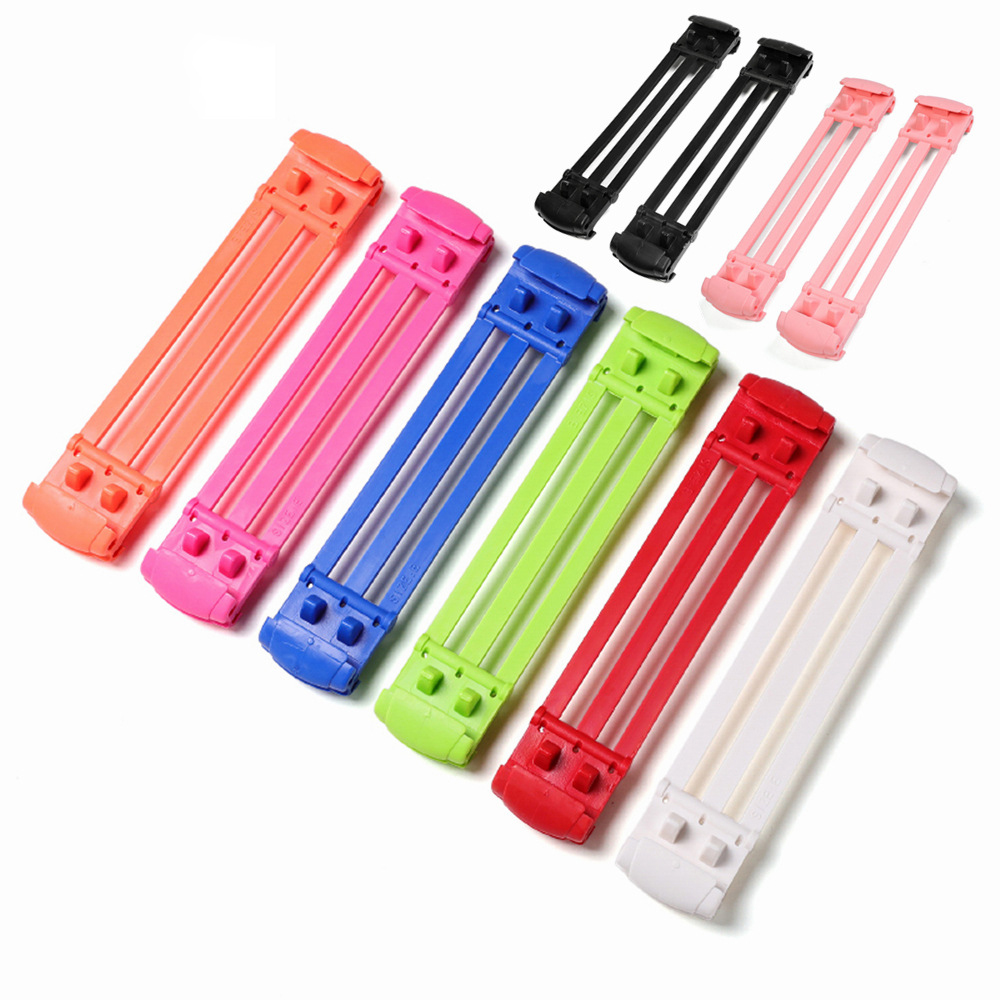 Spring
Rebound part
Spring bars
Inspect rebound bars and related fixing points when the shoe feels uneven or noisy.
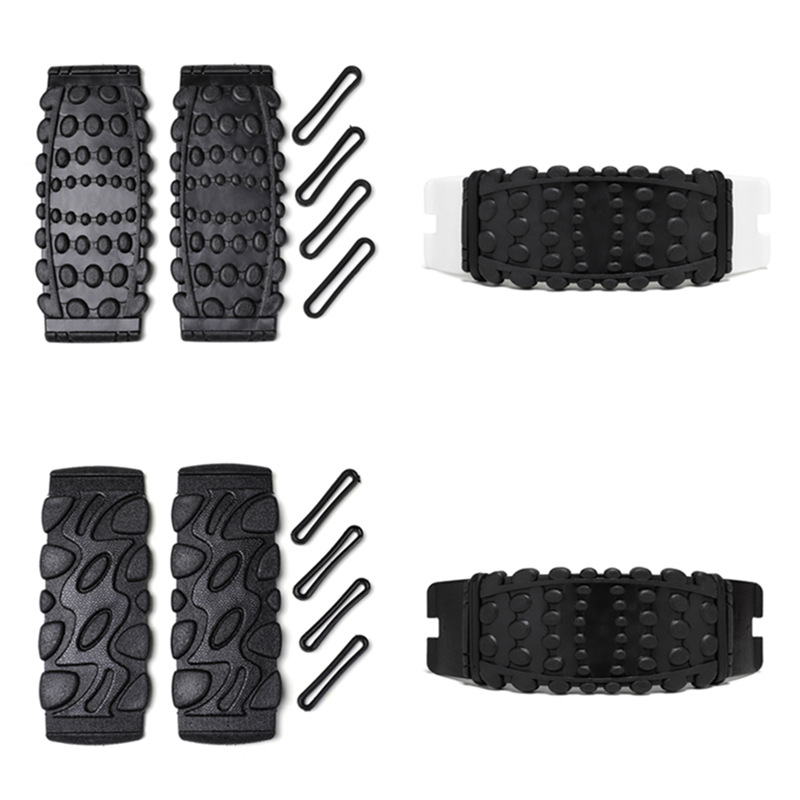 Sole mat
Wear part
Plastic sole mats
Check the floor-contact mat for wear, especially in rental, gym, and outdoor activity use.
B2B onboarding
Turn safety into a sales and service asset.
For B2B buyers, safety guidance is not only compliance language. It reduces wrong-size orders, helps retail staff answer questions, and gives rental teams a standard process.
Buyers who are still defining their product range can start with the jump shoes product and sourcing guide. Once the model, user group, and safety materials are clear, use the wholesale jump shoes buying checklist to prepare the size mix, packing requirements, spare parts, and quote details.
| Buyer | Safety material to prepare | Related page |
|---|---|---|
| Importer | Instruction sheet, carton labels, model photos, size and load chart. | Size guide |
| Sports retailer | Staff fitting notes, beginner guidance, FAQ, replacement-part list. | Buying guide |
| Rental operator | Pre-use checklist, post-use inspection sheet, spare parts stock plan. | Rental guide |
| Distributor | Photo-based compatibility support and after-sales parts workflow. | Parts compatibility |
Real product reference
Use photos to reduce safety and after-sales confusion.
Real product and packing photos help buyers confirm that the model, color, size label, and spare-part plan match the order before shipment.

FAQ
Jump shoes safety questions.
Are jump shoes safe for kids?
Kids should use jump shoes only with adult guidance, correct sizing, protective gear, and slow first practice. The product should be treated as supervised sports equipment.
What should a beginner do first?
Read the instructions, fasten the shoes, stand with support, then practice short slow steps before moving faster.
What should rental operators inspect every day?
Inspect straps, buckles, spring bars, screws, shell, liner, and sole mats. Keep replacement parts available for common service needs.
What should I send to get a safety-ready wholesale quote?
Send buyer type, user age range, target sizes, load capacity needs, model and color plan, order quantity, destination market, and whether you need instruction sheets or spare parts.