B2B supplier due diligence
How to Evaluate a Jump Shoes Supplier
A useful supplier review goes beyond price and a product photo. Importers should compare candidates through the same written questions, request evidence for the exact model, test a purposeful sample, and record which product, packing, parts, and commercial details are confirmed or still pending.

Set the brief
Define the supplier decision before requesting quotes.
A gym, distributor, rental operator, and sports retailer will not evaluate the same offer in exactly the same way. Write down the target market, intended use, expected users, sales channel, model range, size questions, packing needs, service plan, and destination before contacting suppliers.
This brief creates a fair comparison. It also separates supplier evaluation from a general product search. Use the wholesale jump shoes buying guide to organize the wider purchase, then use this page to document supplier-specific evidence.
Required
Items that must be confirmed before the supplier can remain on the shortlist.
Preferred
Useful options that improve the offer but are not automatic rejection criteria.
Pending
Questions that need a document, photo, sample, measurement, or revised quotation.
Company check
Confirm who will quote, supply, and support the order.
Ask for clear company and contact information before discussing a large order. The purpose is not to collect decorative documents; it is to understand the contracting party, communication path, payment recipient, production or trading role, and after-sales contact.
| Question | Evidence to request | Why it matters |
|---|---|---|
| Who is the seller? | Legal or registered company name, business address, website, named contact, and business email. | Helps the buyer keep quotation, payment, contract, and communication records aligned. |
| What is the supplier's role? | A written explanation of whether the company manufactures, trades, or coordinates specific parts of the order. | Clarifies which questions the contact can answer directly and which require confirmation. |
| Who owns each step? | Sales, product confirmation, packing, shipping document, and after-sales contacts. | Reduces handoff gaps when the order moves beyond the initial quotation. |
| What claims are relevant? | Only documents required for the product and destination market, checked with qualified local advisers where necessary. | Avoids treating a generic certificate or unsupported statement as proof for the exact order. |
Product control
Make every answer traceable to the exact jump shoes model.
Ask the supplier to use one model name or code consistently across the quotation, photos, size chart, sample, carton labels, and replacement-parts discussion. Similar-looking products may not share the same fit guidance or component compatibility.
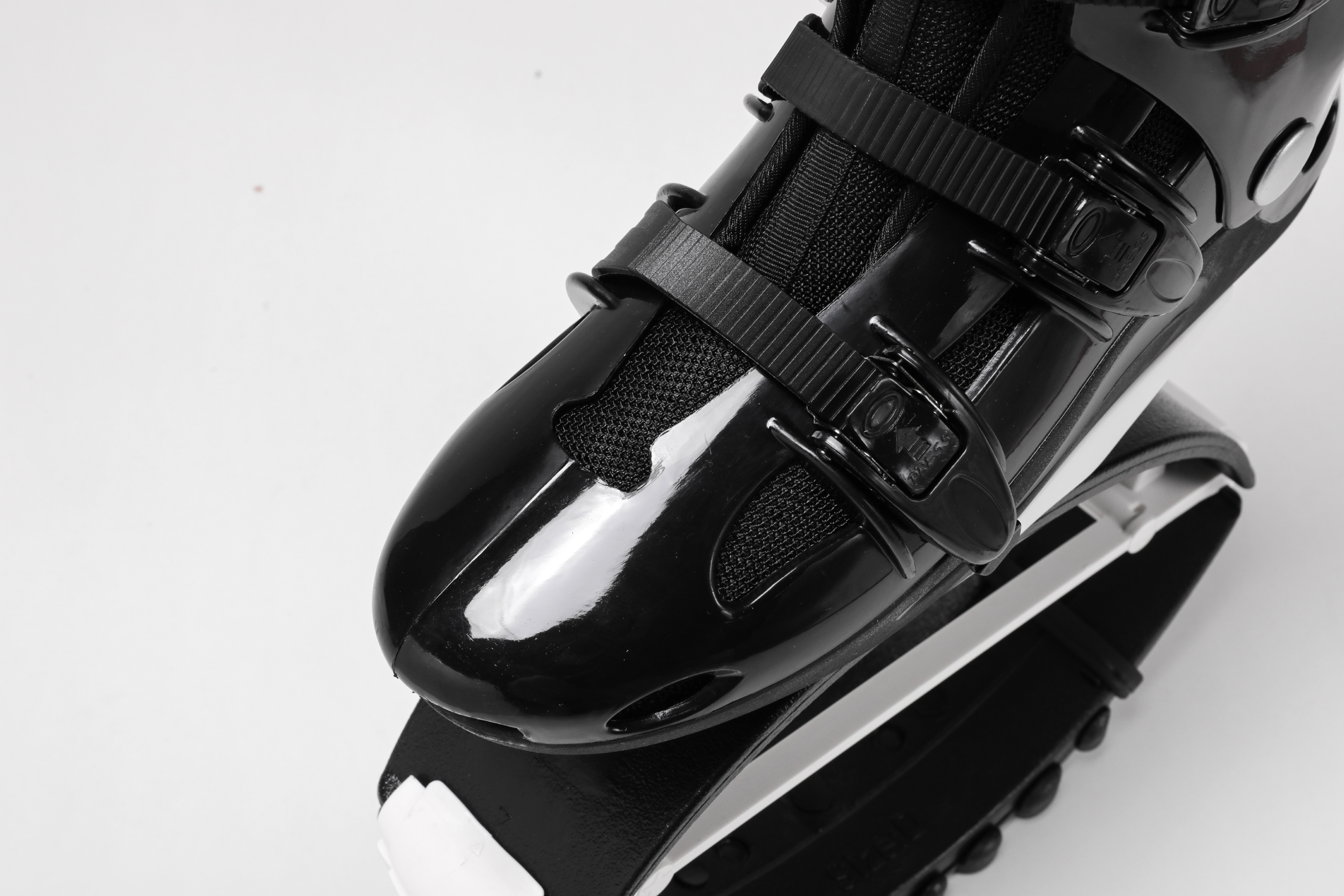
For each shortlisted model, request current whole-product views, fastening and rebound-component close-ups, available color references, the applicable size and load guidance, included materials, and any points that vary by size. Do not transfer specifications from another model without written confirmation.
Physical evidence
Use a sample to test the supplier's information flow.
A sample is not only a product test. It checks whether the quoted model, size, color, packing, instructions, component details, and communication records remain consistent from discussion to delivery.
| Sample stage | Supplier evidence | Buyer record |
|---|---|---|
| Before payment | Exact sample scope, model and color references, size guidance, included items, packing, shipping method, and quotation. | A dated approval list showing what is confirmed and what remains provisional. |
| Before dispatch | Requested product and packing photos, labels, quantity, and any agreed change. | A comparison with the approved sample request. |
| On arrival | The physical product, carton, included materials, and visible model or size identification. | Closed-carton, open-carton, whole-product, label, and component photos. |
| During review | Responses to fit, fastening, rebound, part compatibility, packing, and use questions. | A pass, pending, change, or stop decision for every criterion. |
Use the separate jump shoes sample order checklist for a detailed receiving and supervised testing workflow.
Real photo evidence
Request proof for product, packing, and service support.
Different photo types answer different sourcing questions. Label files by model, size, color, date, and purpose so that they remain useful during approval.
 Model evidence
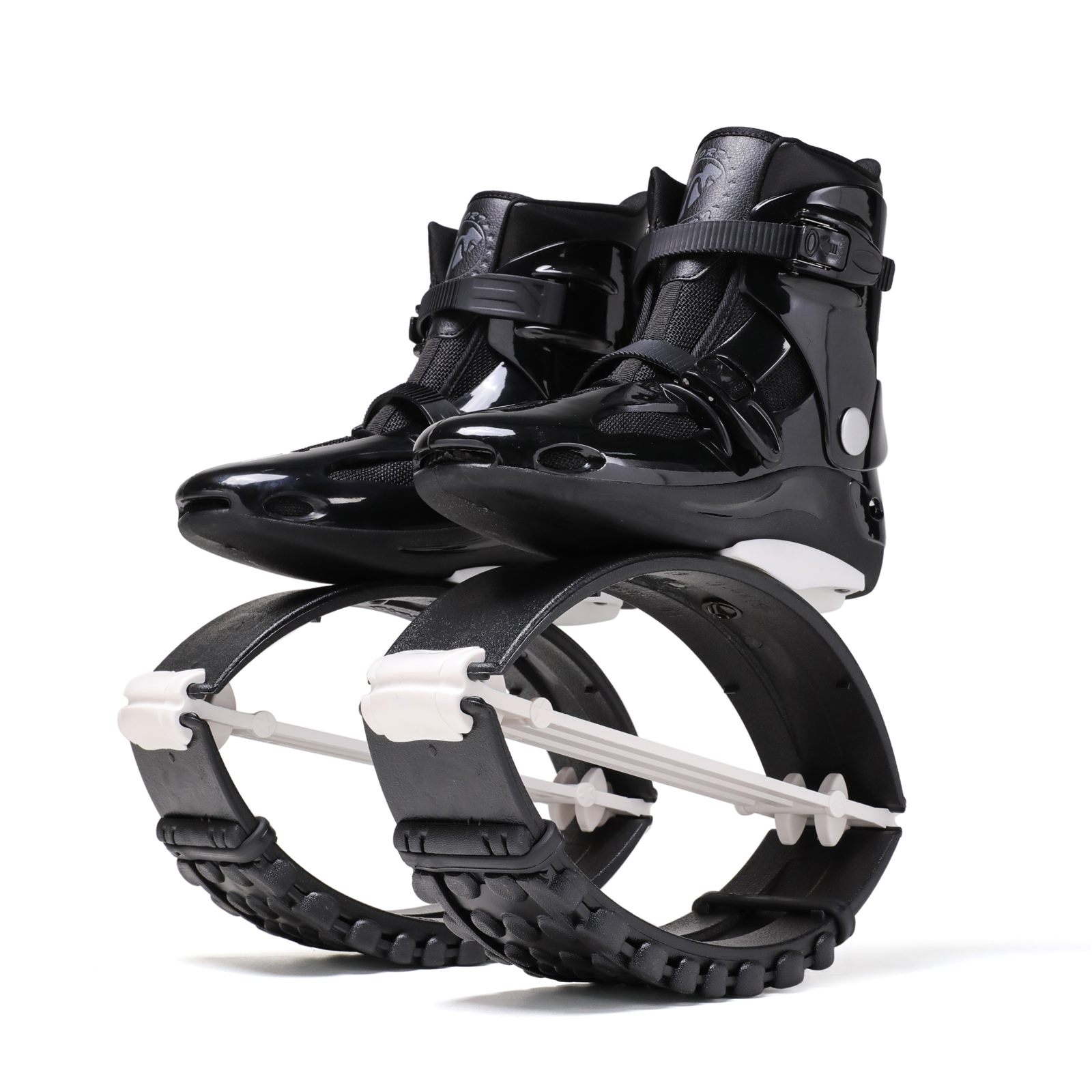
Whole product
Confirm the quoted configuration
Use consistent whole-pair and side-view references to connect the sample, quotation, and later order.
 Parts evidence
After-sales support
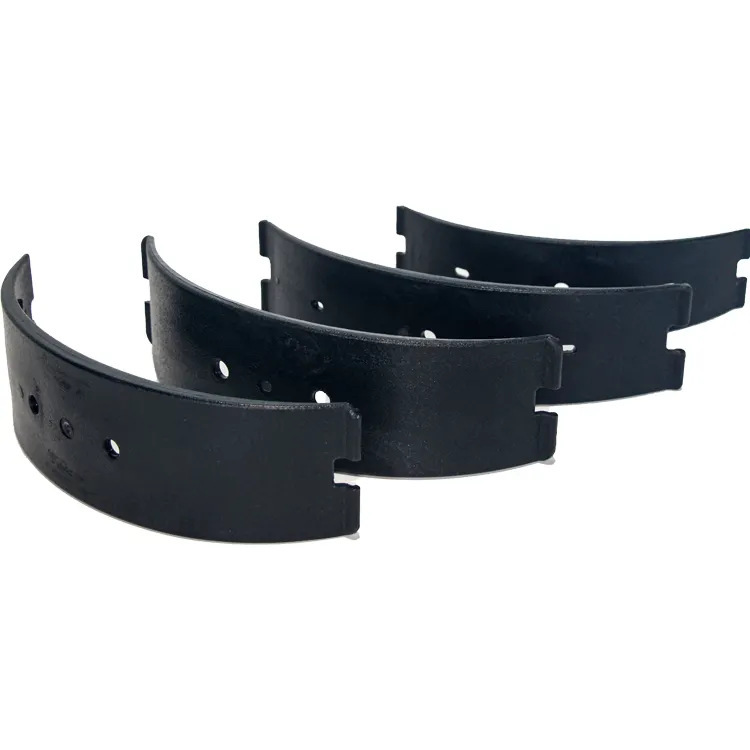
Document compatible parts
Ask which components match the selected model and what photos or measurements are needed for future reorders.
 Packing evidence
Order handling
Check labels and carton planning
Connect carton photos with the order list, model, color, size, quantity, included materials, and destination requirements.
Commercial clarity
Compare complete quoted scope, not a headline unit price.
Ask each supplier to state what the quotation includes and excludes: exact model, colors, sizes, quantities, packing, labels, instructions, sample charges, payment terms, shipping scope, destination, and any requested customization. Confirm current price and timing directly for the actual inquiry.
Do not copy an old quote into a new purchase decision. Currency, freight, destination charges, documentation needs, production scheduling, and requested changes can affect the final scope. Keep assumptions separate from supplier-confirmed terms.

After-sales readiness
Evaluate the replacement-parts workflow before you need it.
Ask how the supplier identifies compatible spring bars, floor-contact mats, straps, buckles, screws, frames, and liners for the selected model. A credible process should explain which model details, photos, attachment points, and measurements are needed rather than promising that every similar-looking part will fit.
Compatibility record
Keep the product model, size, whole-shoe photos, component close-ups, and approved part references together.
Service stock
Discuss a practical parts mix for the buyer's channel, fleet size, and local after-sales responsibility.
Issue handling
Agree on the contact route and evidence needed when a question appears after delivery.
See the jump shoes replacement parts guide and fleet maintenance checklist for compatible-parts and service planning.
Decision record
Jump shoes supplier evaluation scorecard.
Use evidence and status labels instead of relying on memory after several supplier conversations.
| Evaluation area | Pass condition | Status options |
|---|---|---|
| Company and contact | Seller, payment recipient, address, named contact, and responsibilities are clear and consistent. | Confirmed / pending / mismatch |
| Product identity | Model, color, photos, sample, size guidance, and quotation refer to the same configuration. | Confirmed / recheck / reject |
| Sample process | The supplier can document the sample scope, changes, dispatch evidence, and follow-up questions. | Complete / incomplete / not tested |
| Packing and order scope | Included items, labels, cartons, documents, commercial terms, and exclusions are written clearly. | Confirmed / revise / pending |
| Parts and support | Compatible parts and the future matching process are documented for the selected model. | Confirmed / partial / unavailable |
| Communication | Answers are specific, traceable, internally consistent, and corrected openly when details change. | Reliable / needs review / stop |
Risk control
Pause when important details cannot be reconciled.
A single typo does not decide a supplier relationship. Repeated inconsistencies around the model, size chart, product photos, payment recipient, packing scope, claimed documents, or part compatibility deserve clarification before the buyer increases commitment.
Ask a direct question, request the supporting item, and set a decision status. When evidence remains unavailable, treat the point as unresolved. Do not replace missing documentation with assumptions or a verbal promise.
Clarify before approval
- Different model names across the quote, sample, labels, or photos.
- Size or applicable load statements that cannot be tied to the exact product.
- Product or packing images that do not match the discussed configuration.
- Important claims without relevant supporting documents.
- Commercial terms that change without a revised written quotation.
- Generic promises that every replacement part is compatible.
FAQ
Jump shoes supplier evaluation questions.
How do I evaluate a jump shoes supplier?
Use the same written checklist for every candidate. Verify company and contact details, model references, size and applicable load guidance, sample consistency, packing information, compatible parts, commercial scope, and how open questions are documented.
What product information should a supplier provide?
Ask for current model and color references, guidance for the exact product, whole-product and component photos, packing details, included materials, and a compatible replacement-parts list.
Should I approve a supplier before ordering samples?
A document review can create a shortlist, but a physical sample adds evidence about the quoted model, packing, fit process, component details, and communication workflow. Keep bulk approval separate until your required checks are complete.
What warning signs should I document?
Record inconsistent model names, unclear size guidance, unsupported claims, mismatched photos, vague packing scope, missing parts information, or repeated refusal to confirm important details in writing.