Importer handoff checklist
How to Import Jump Shoes: Shipping Documents and Receiving Checks
Import preparation begins before cartons leave the factory. The buyer, supplier, freight provider, customs broker, and receiving team need one consistent record of the product, order, packages, transport instructions, destination questions, and approval status.

Before ordering
Assign responsibility before asking for freight or customs answers.
The supplier can provide accurate product, package, factory, and commercial information. The importer remains responsible for confirming destination-market entry requirements, customs classification, duties and taxes, licensing, product obligations, and the records requested by its broker, carrier, marketplace, insurer, or authorities.
Use the jump shoes supplier evaluation checklist to verify communication and documentation capability. If the model, size mix, packing, or commercial scope is still changing, complete the wholesale buying guide first.
Importer
Confirms destination requirements, buyer details, broker instructions, payment obligations, and final acceptance.
Supplier
Provides consistent product, order, packing, commercial, and shipment information within the agreed scope.
Broker and carrier
Confirm current filing, routing, transport, data, and documentary requirements for the actual shipment.
Product master
Describe the goods before preparing shipping documents.
A generic label such as “sports shoes” is not enough for internal order control. Build a product master that lets every party identify the exact goods and supporting records.
| Product field | What to record | Why it matters |
|---|---|---|
| Model identity | Supplier model, buyer SKU, whole-product photos, color name, and approved reference. | Connects commercial and packing records to the physical product. |
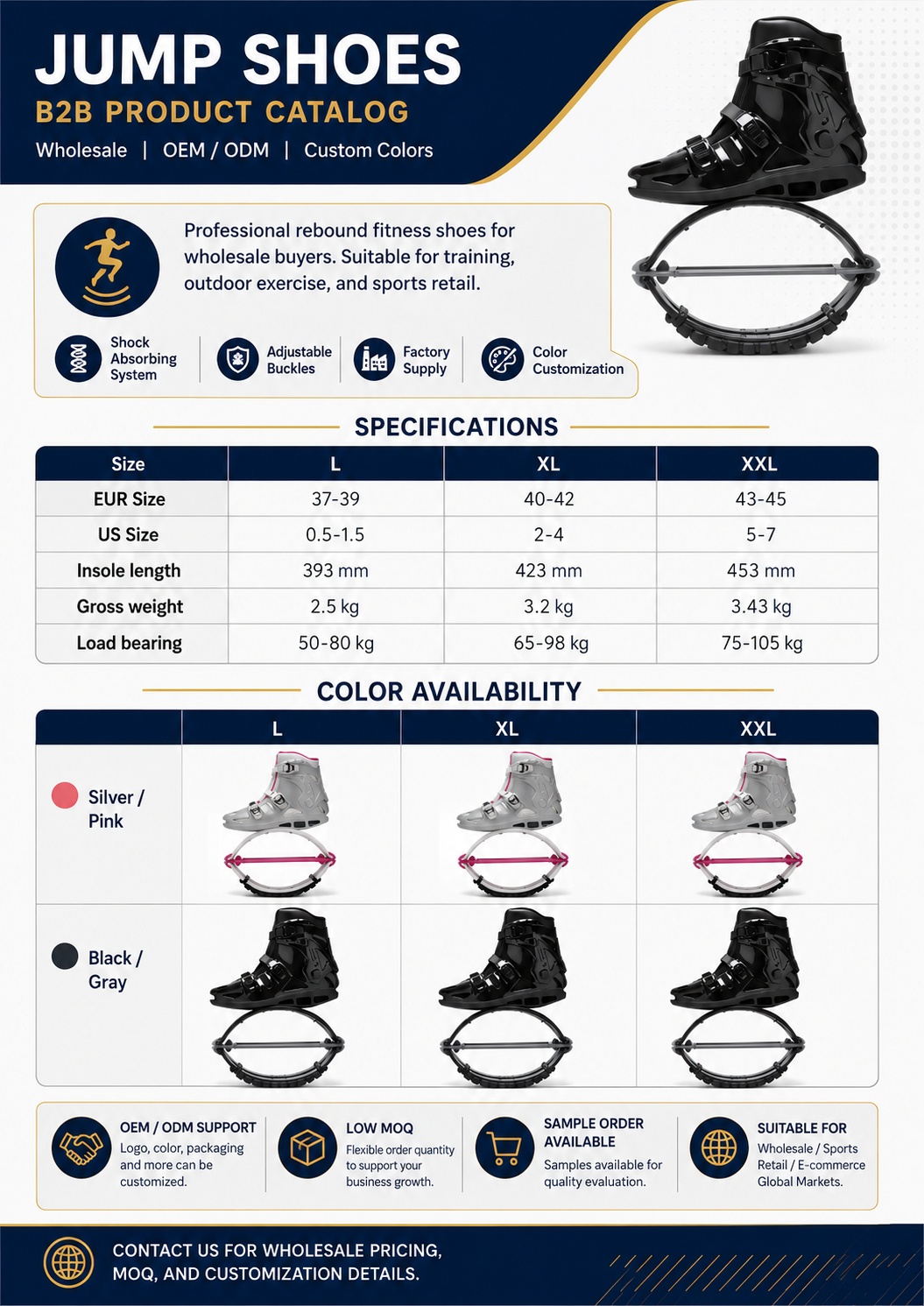
| Size information | Size range, unit markings, size mix, and supplier-provided model guidance. | Prevents the order, carton labels, and receiving plan from using different size descriptions. |
| Components | Shell, liner, straps, buckles, rebound assembly, hardware, contact parts, and included accessories. | Supports accurate product questions, inspection, and parts planning. |
| Materials and construction | Supplier-confirmed descriptions needed by the buyer, broker, or market review. | Helps qualified parties evaluate classification and documentation questions. |
| Packaging unit | Pairs per inner pack or carton, package type, labels, included instructions, and protective materials. | Provides the base for quantities, package counts, and packing records. |
One source of truth
Keep model, color, and size names consistent across every file.
Different internal names can create avoidable questions. Map the supplier model, buyer SKU, color, size, barcode or inventory code, carton mark, and purchase-order line in one table. When private label artwork or packaging is involved, include the approved revision.
The jump shoes size guide explains how to keep model-specific size and applicable load guidance separate rather than assuming one chart applies to every design.
Shipment file
Prepare a document checklist for the actual route and destination.
The labels below describe common document roles, not a universal customs list. Ask the broker and carrier which documents, formats, originals, signatures, data fields, and submission times apply.
| Record | What buyers should compare | Confirmation owner |
|---|---|---|
| Final purchase order | Seller and buyer, model lines, quantities, sizes, colors, prices, currency, packing, terms, destination, and approved changes. | Buyer and supplier. |
| Commercial invoice | Parties, product description, model or SKU, quantities, values, currency, agreed trade terms, origin details, and references required for the shipment. | Supplier, buyer, and broker. |
| Packing list | Package count, carton numbers, contents, model and size breakdown, net and gross weights, dimensions, and shipping marks. | Supplier and logistics team. |
| Transport document | Shipper, consignee, notification party, package description, routing, and release instructions. | Carrier or forwarder with buyer approval. |
| Origin or supporting records | Any destination, tariff, preference, bank, customer, marketplace, or contract-specific document. | Importer and broker confirm need; issuer provides applicable record. |
| Product and compliance file | Supplier details, product specification, labels, instructions, test or declaration records actually required for the destination and product. | Importer confirms requirements with qualified parties. |
| Inspection and packing evidence | Approved product, quantities, labels, cartons, discrepancies, corrections, and shipment-release decision. | Buyer, supplier, and appointed inspector. |
Cross-document check
Reconcile quantities, cartons, weights, and marks before release.
Start from the final approved purchase order and compare each downstream document. Product descriptions do not need to be identical in every business system, but they must not conflict. Check arithmetic, package counts, model and size totals, carton sequence, weights, dimensions, shipping marks, buyer references, and any agreed split shipment.
When a change is approved, update the affected files together. An email approving a quantity change does not automatically correct the invoice, packing list, carton labels, transport booking, or receiving plan.

Destination review
Ask destination-specific questions before production is locked.
Do not wait until cargo is booked to investigate market access. The importer should give its broker or qualified adviser enough product detail to review classification, duties and taxes, labeling, language, user information, product safety, testing, declarations, importer identification, record retention, packaging, and any marketplace or customer requirements that may apply.
Questions for a qualified broker or adviser
- How should this exact product and its materials be described and classified?
- Which importer registrations, permits, filings, or identifiers apply?
- Which labels, instructions, language, warnings, or responsible-party details are required?
- Are product tests, declarations, technical files, or supporting certificates required?
- Which origin, value, transport, insurance, or preference documents apply?
- What must be completed before production, booking, departure, and arrival?
Evidence before departure
Photograph closed cartons, labels, and selected open cartons.
Photos help remote buyers verify that the shipment record describes real packages. Capture readable carton marks, carton sequence, external condition, selected open-carton contents, inside protection, product identity, size or color labels, instructions, accessories, and any corrected issue.
Use the wholesale packing photo guide to organize a repeatable evidence set. Photos support document checks but do not replace the required invoice, packing list, transport record, or destination documentation.

Release gate
Do not confuse production completion with shipment approval.
Before cargo is released, confirm that the order, inspection result, invoice draft, packing list, carton records, booking information, destination instructions, payment status, and authority to ship are aligned. Any discrepancy should have an owner, correction, revised file, and written decision.
Product release
The actual goods and approved changes meet the agreed inspection and decision process.
Document release
Commercial, packing, transport, and destination records are complete for the responsible parties' review.
Logistics release
Booking, pickup, routing, cargo details, consignee data, and delivery instructions are confirmed.
Buyer authorization
The named buyer representative has approved shipment under the agreed order and exception process.
At destination
Use the same references for customs questions and receiving checks.
Give the broker and receiving team access to the controlled shipment file. At delivery, record the carrier reference, date, carton count, shipping marks, external condition, seals where relevant, and visible damage before unpacking. Compare selected cartons and products with the order and packing list.
Keep damaged, mismatched, or uncertain goods identified and separate until reviewed. The jump shoes quality inspection checklist provides a consistent structure for model, component, label, packing, discrepancy, and receiving records.

Exception control
Record facts before deciding who caused a problem.
For a customs question, missing file, carton shortage, visible transit damage, product mismatch, or label issue, record the document reference, observed condition, affected cartons or units, date, photos, responsible reviewer, requested action, and final resolution. Separate product, packing, transport, and document findings so the right party can respond.
FAQ
Jump shoes import and shipping document questions.
What documents may be needed to import jump shoes?
Requirements vary. Importers commonly coordinate an approved order, commercial invoice, packing list, transport document, product and carton records, plus any destination-specific documents confirmed by their broker or authorities.
Who should confirm the customs classification for jump shoes?
The importer should confirm classification and current requirements with a qualified customs broker or relevant destination authorities. The supplier should provide accurate product details.
Should shipping documents match the approved jump shoes order?
Yes. Check models, descriptions, quantities, sizes, colors, package counts, weights, marks, and buyer references across the final order and shipment files.
What should a buyer check when imported jump shoes arrive?
Record delivery condition and carton count, compare marks and documents, photograph visible damage, verify selected cartons, and isolate discrepancies before inventory release.