Wholesale order inspection
Jump Shoes Quality Inspection Checklist
A useful inspection does not begin when cartons are already waiting for release. Importers should first convert the approved sample, quotation, order details, packing requirements, and model-specific guidance into a written checklist that identifies what will be checked, how findings will be recorded, and who can approve shipment.

Inspection basis
Define the approved reference before checking units.
An inspector needs a controlled set of requirements, not a memory of earlier conversations. Assemble the purchase order or agreed order list, approved model and color photos, sample decisions, size and applicable load guidance for each model, packing instructions, label artwork, included materials, approved changes, and the contact authorized to resolve questions.
If two documents conflict, pause and clarify which version controls the order. The jump shoes sample order checklist helps establish a physical reference, while the supplier evaluation checklist covers the wider sourcing relationship.
Product reference
Exact model, color, sizes, visible components, current guidance, and approved sample status.
Order reference
Quantities, packing, labels, included materials, destination, and documented changes.
Decision authority
Named people who can clarify requirements, approve rework, or release the shipment.
Before inspection
Write the scope, method, and status labels.
The buyer, supplier, and any independent inspector should understand the same plan before work starts.
| Planning item | Question to settle | Record to prepare |
|---|---|---|
| Order population | Which models, colors, sizes, cartons, and quantities are in the inspection? | Order breakdown and carton list. |
| Inspection scope | Which checks apply to every unit and which use an agreed sample? | Written method based on buyer requirements and risk. |
| Reference version | Which photos, charts, artwork, instructions, and changes are current? | Version-controlled inspection pack. |
| Finding classes | How will a mismatch, visible defect, safety concern, or documentation issue be classified? | Clear status definitions and examples relevant to the order. |
| Release rule | Who decides pass, rework, reinspection, acceptance, or hold? | Named approval route and communication deadline. |
Product checklist
Inspect the jump shoe as a complete equipment system.
Use the exact model instructions and approved reference. Do not transfer specifications or compatibility assumptions from another product.
| Inspection area | What to compare | Evidence to retain |
|---|---|---|
| Identity | Model, color, pair matching, size marking, quantity, and approved reference. | Whole-pair photos and order line. |
| Shell and liner | Visible condition, assembly, finish, liner presence, and any approved color or material reference. | Front, side, rear, and interior photos when needed. |
| Straps and buckles | Presence, attachment, visible damage, adjustment, closure, and release. | Fastening close-ups and recorded result. |
| Rebound assembly | Frame, spring bars, connectors, symmetry, visible deformation, and model-specific configuration. | Side views and component photos. |
| Hardware | Required screws, fasteners, attachment points, visible looseness, and correct placement. | Close-ups tied to model and size. |
| Floor-contact parts | Presence, position, visible wear or damage, and attachment. | Bottom and side images. |
| Included materials | Instructions, accessories, labels, protective packing, and other agreed items. | Open-package photo and checklist. |
Model consistency
Photograph the same angles for every inspected model.
A repeatable photo set makes differences easier to review remotely. Capture the whole pair, both sides, front, rear, top, bottom contact area, size or model marking, fastening close-up, rebound assembly, and any exception. Include a carton or order reference in the file name or report.
Use neutral lighting and enough detail to show the component rather than relying on a heavily cropped image. Photos support the inspection record, but they do not replace agreed measurements or functional checks where those are required.

Component evidence
Use close-ups for fastening, hardware, and wear parts.
These real product views illustrate the level of detail that makes an inspection finding easier to identify and discuss.
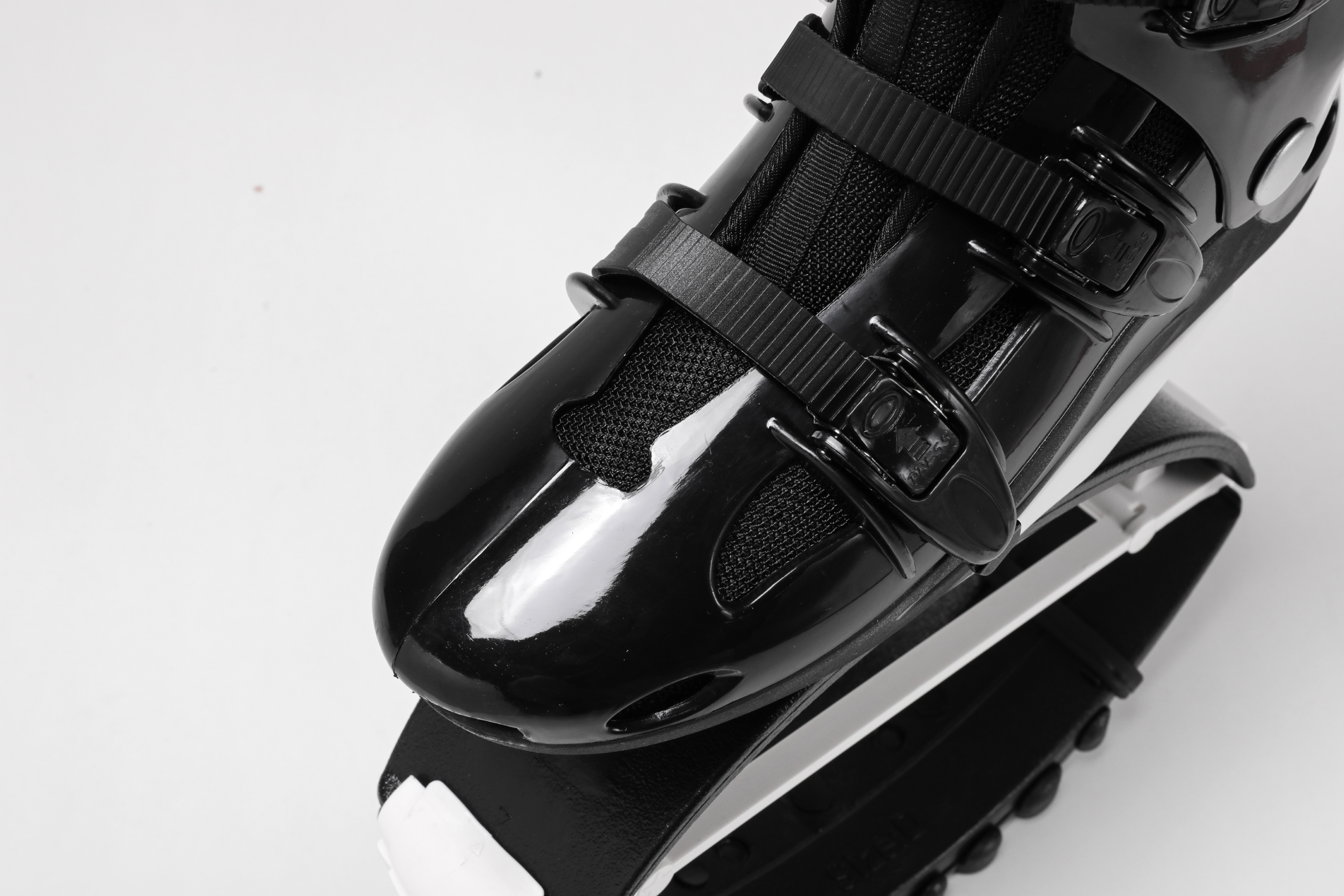 Fastening
Closure check
Straps and buckles
Record attachment, adjustment, closure, release, visible damage, and any mismatch with the approved model.
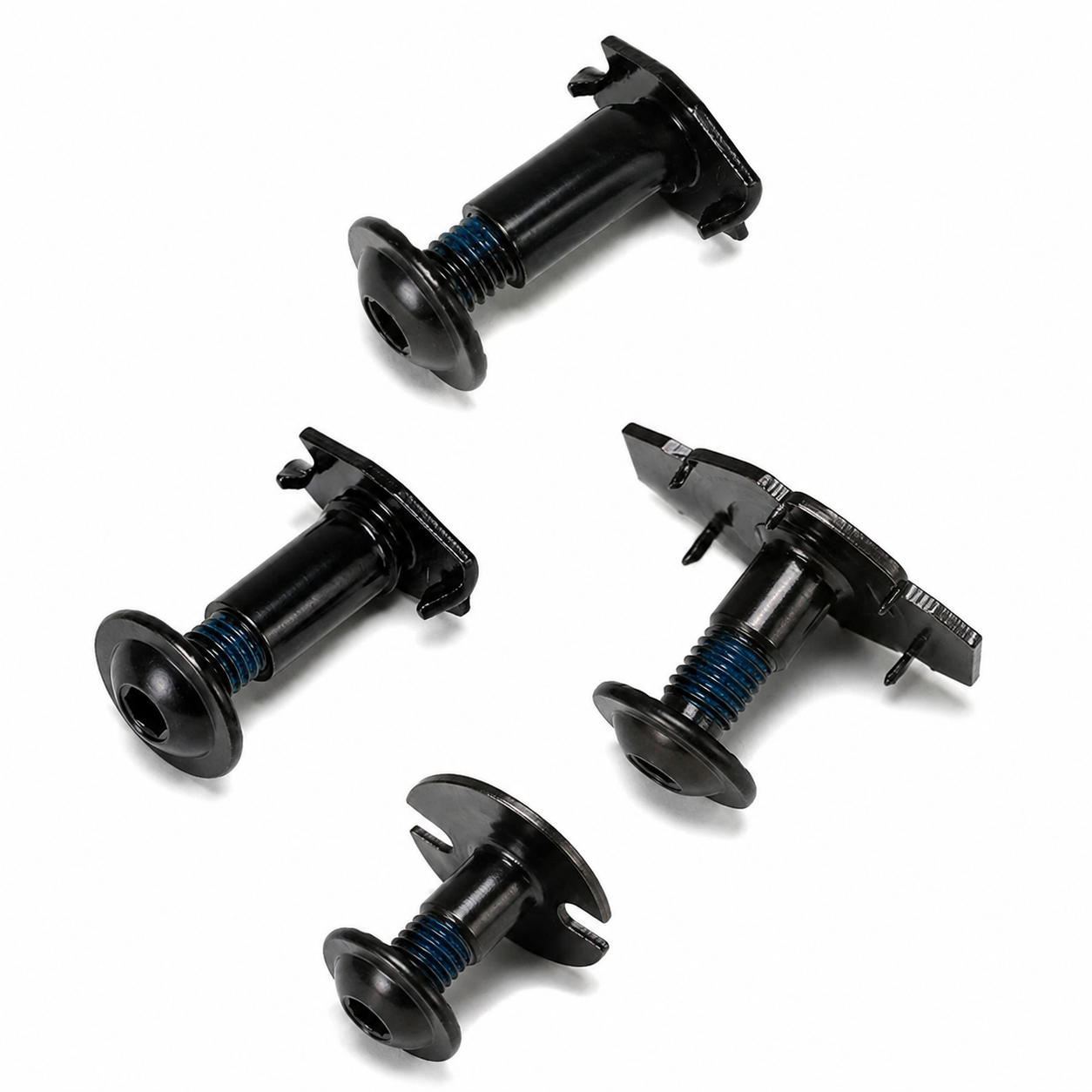 Hardware
Attachment check
Screws and fasteners
Check the required hardware, visible condition, placement, and attachment points against the correct configuration.
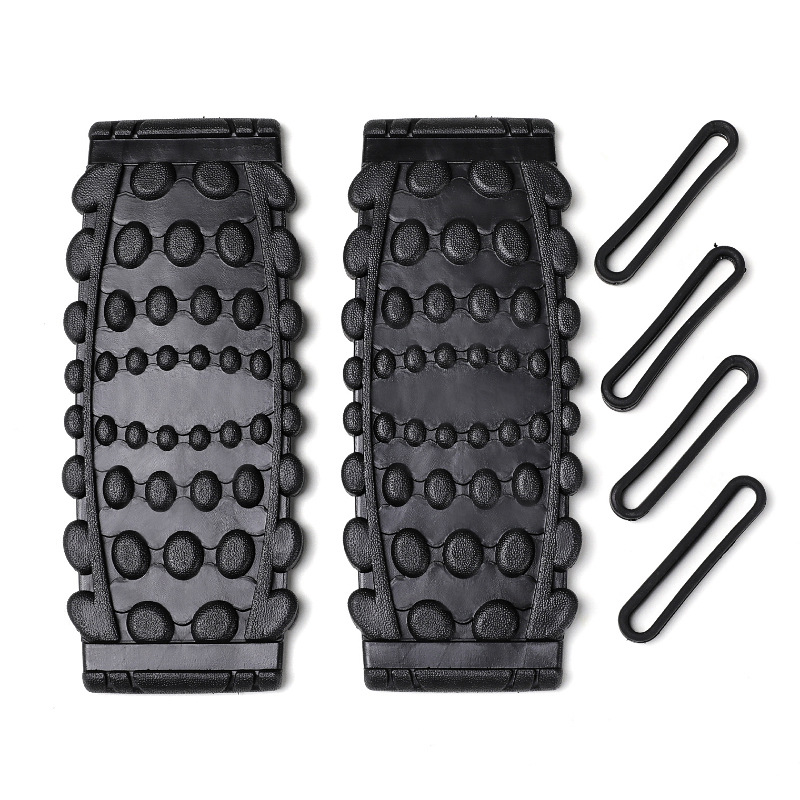 Ground contact
Wear-part check
Floor-contact components
Verify presence, position, visible condition, and attachment for the exact model and size.
Controlled checks
Separate inspection handling from performance claims.
Any fitting or movement check should follow the instructions for the exact model, the buyer's agreed inspection plan, and suitable supervision and protective-equipment guidance. The purpose is to identify obvious assembly, fastening, movement, or sound concerns, not to create unsupported performance or safety claims.
Record who performed the check, which pair was used, the model and size, the method, the result, and any follow-up. Keep uncertain products out of use and out of shipment release until the question is resolved.
Record, do not assume
- Correct product and size were selected for the check.
- Pre-use visual inspection was completed.
- Fastening remained secure during the agreed procedure.
- Unexpected movement, sound, or visible change was documented.
- Post-check condition was compared with the initial record.
- Questions were assigned for review before release.
Packing and labels
Match cartons to the order before counting them as complete.
Check model, color, size, quantity, label content, carton condition, included instructions, inner protection, and any agreed shipping marks. When several sizes or colors are packed together, record the carton-level breakdown so receiving teams can verify it later.

See the wholesale jump shoes packing photo guide for closed-carton, label, open-carton, and shipment evidence categories.
Finding control
Turn every discrepancy into a decision record.
A useful report identifies the requirement, observed condition, affected model and size, quantity, location, supporting photos, proposed action, owner, and recheck result.
| Status | Meaning | Next action |
|---|---|---|
| Pass | The checked item matches the agreed requirement. | Retain evidence and continue the inspection plan. |
| Pending clarification | The requirement or observed condition is not clear enough to decide. | Obtain the controlling document or authorized answer. |
| Rework required | A defined issue can be corrected before release. | Record scope, correction, owner, and reinspection method. |
| Buyer decision | The supplier cannot decide acceptance or deviation alone. | Send concise evidence and wait for written approval. |
| Shipment hold | A material unresolved issue prevents release under the agreed plan. | Keep affected goods identified and do not ship until resolved. |
Destination receiving
Repeat identity and carton checks after arrival.
Pre-shipment evidence does not remove the need for receiving control. Compare delivered carton count and labels with shipping records, photograph visible transit damage before unpacking, verify model, color, and size samples, and keep any discrepancy traceable to the relevant carton.
Use the same naming and status system as the pre-shipment report. This helps the buyer distinguish an order mismatch, packing issue, transit concern, or product question before units enter retail or fleet inventory.
Receiving record
- Delivery and carton count.
- External condition and shipping labels.
- Order, model, color, and size references.
- Open-carton contents and included materials.
- Photos of any mismatch or damage.
- Quarantine, review, and resolution status.
FAQ
Jump shoes quality inspection questions.
What should a jump shoes quality inspection include?
Identify the approved model, color, sizes, quantity, packing, and documents, then check visible condition, liners, shells, straps, buckles, rebound components, hardware, floor-contact parts, labels, cartons, and discrepancies.
Is sample approval enough for a bulk order?
No. A sample helps define the approved reference, but the actual wholesale shipment still needs an agreed inspection and release process.
Should every pair be tested?
The appropriate scope depends on the order, buyer requirements, risk, contract, and qualified inspection plan. Define all-unit and sampled checks before inspection starts.
What happens when inspection finds a problem?
Record the model, size, quantity, location, photos, and requirement, then agree on rework, replacement, reinspection, acceptance, or shipment hold before release.