Distributor service planning
Jump Shoes After-Sales Service: A B2B Workflow That Scales
After-sales support is easier when every case starts with the same evidence, follows a clear triage path, and ends with a recorded resolution. This guide helps distributors and retailers design that workflow before customer questions begin to accumulate.

Service scope
Define after-sales responsibilities before the first shipment.
Customers experience the local seller as the service provider, even when a factory supplies the product. The importer or distributor therefore needs a written agreement that separates customer communication, technical assessment, compatible parts, repair work, returns, commercial remedies, and supplier escalation.
Do not use “warranty” as a vague promise
Warranty coverage, duration, exclusions, evidence requirements, transport responsibility, and available remedies should come from the applicable sales contract and market policy. Do not copy a competitor's terms or publish a duration that the supplier has not confirmed.
Local consumer and product rules may also apply. Review the final policy with qualified advisers in the destination market rather than treating a supplier discussion as legal guidance.
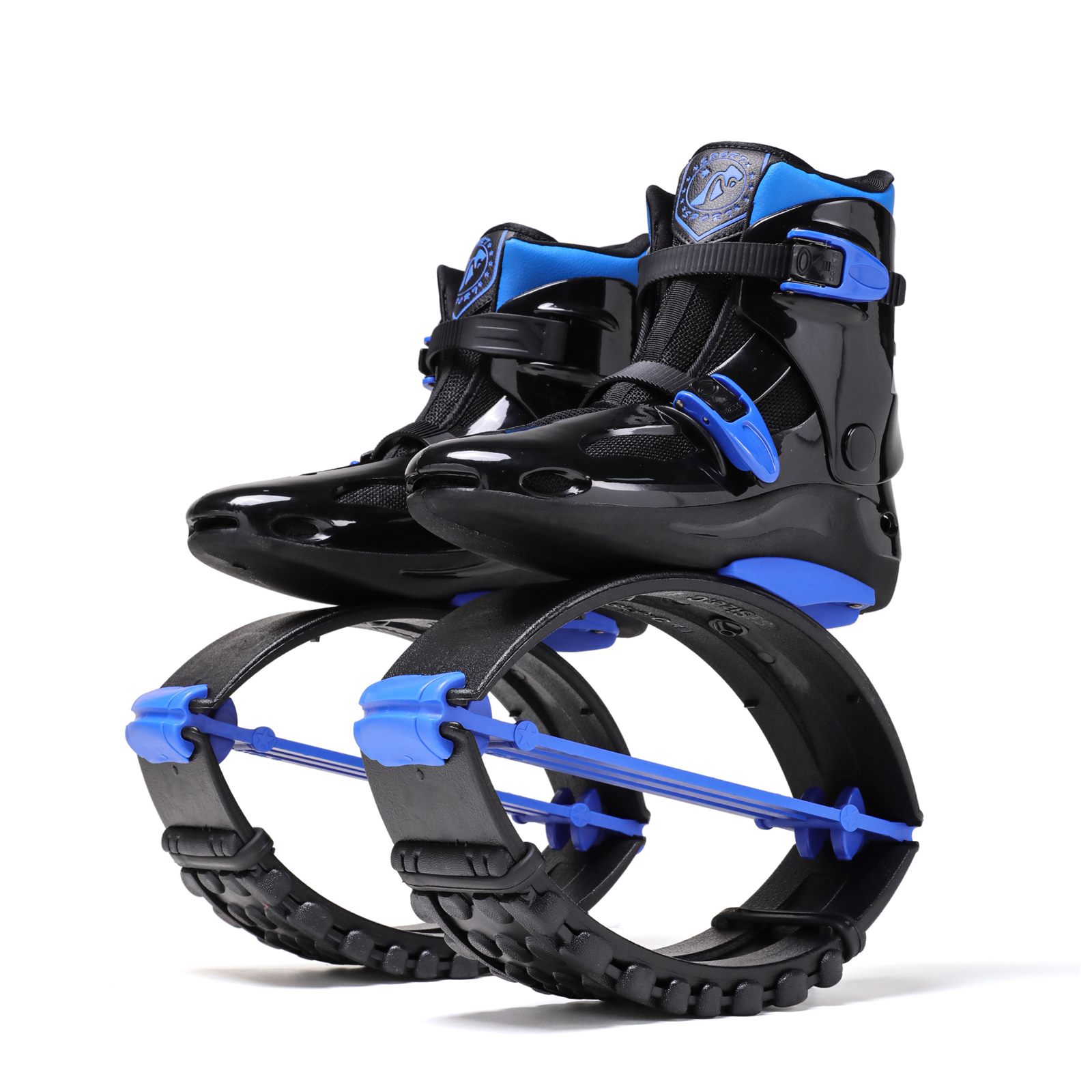
Seven-step workflow
Use the same path for every jump shoes service case.
A standard path reduces repeated questions and makes supplier escalation easier to review.
1. Open the case
Assign a case number and record the customer's contact details, order reference, sales channel, product model, size, color, and relevant dates.
2. Apply a safety hold
If a structural, fastening, rebound, hardware, liner, or floor-contact concern is reported, ask the customer to stop using the pair until it has been assessed.
3. Collect evidence
Request a whole-shoe view, both sides, the matching shoe, close-ups of the concern and attachment points, and a short video when movement matters.
4. Classify the request
Separate fit or use questions, maintenance issues, compatible-part requests, shipping damage, missing items, suspected defects, and policy-based returns.
5. Confirm the route
Check the approved instructions, service policy, order record, product specification, and supplier guidance before offering a remedy.
6. Record the resolution
Document advice, part numbers, quantities, shipment or return details, commercial decisions, approvals, and the date the case was closed.
7. Review patterns
Group cases by model, size, component, channel, shipment, and issue type. Use repeat patterns to improve product pages, training, inspections, and parts stock.
Evidence pack
Collect enough information to identify the product and the concern.
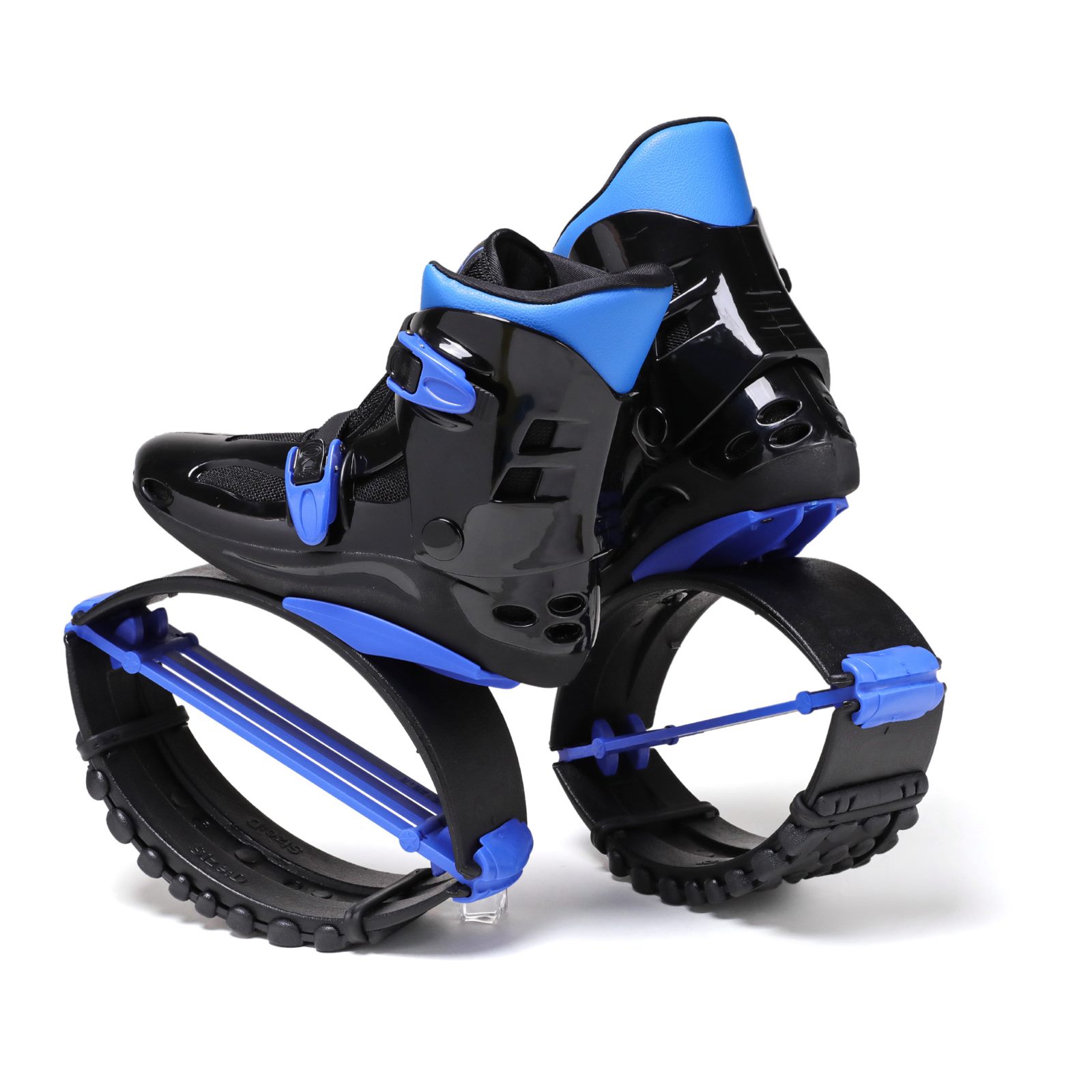
Customer and order record
Capture the buyer, order or invoice reference, purchase channel, delivery date, destination, and any prior conversation. This connects the question to the correct policy and product batch records without asking the customer to repeat their story.
Product identity
Record model, size, color, labels, and any distinguishing component configuration. Similar-looking jump shoes can use different attachment points or replacement parts.
Condition and use context
Ask what happened, when it appeared, whether the product was being worn, and whether maintenance or adjustments were attempted. Keep the wording factual; do not coach the customer toward a conclusion.
Triage matrix
Route each request to the right next step.
The categories below organize the conversation. They do not replace the product instructions, contract, local policy, or a qualified assessment.
| Request type | First checks | Possible next step |
|---|---|---|
| Fit or fastening question | Model, size, foot measurement, fastening sequence, current instructions | Provide the applicable fitting guidance or reassess the selected size |
| Maintenance concern | Condition photos, cleaning history, loose or worn components | Hold from use, inspect, and follow the maintenance process |
| Replacement part request | Whole shoe, close-up, attachment points, dimensions if requested | Confirm compatibility before quoting or supplying the part |
| Missing or incorrect item | Order record, carton label, packing evidence, received contents | Reconcile the shipment and document the agreed correction |
| Transit damage | Outer carton, inner packing, product condition, carrier record | Preserve evidence and follow the agreed freight and claims process |
| Suspected product defect | Product identity, condition, use context, photos or video, inspection record | Escalate with a complete evidence pack and await an approved resolution |
| Return or refund request | Applicable market policy, dates, condition, reason, authorization route | Follow the published policy and legal obligations for that market |
Service parts
Build repair stock from actual models and service records.
Generic spare-part ratios are unreliable. Start with the products sold, supplier recommendations, expected channel use, local repair capability, and observed service cases. Label every component so staff do not substitute a similar-looking part.
Organize by compatibility, not only appearance
Spring bars, straps, buckles, screws, sole mats, inner sleeves, shells, and frame components may vary by model or size. Confirm compatibility with product and part photos before dispatch.
The jump shoes replacement parts guide maps the main part categories, while the parts compatibility guide explains a photo-led matching request.

Returns and escalation
Keep product assessment separate from commercial resolution.
A service agent may collect evidence and classify the concern without deciding liability. The final route can depend on the contract, published policy, product condition, destination rules, shipping responsibility, and supplier review.
Use authorization
Do not send products to an unconfirmed address. Give the customer a case reference and written return instructions after the route is approved.
Preserve evidence
Photograph received returns before handling, retain relevant packaging, and record the product condition and included items.
Close the communication loop
Tell the customer what was received, what happens next, and what resolution was approved. Keep marketing messages separate while a support case remains unresolved.
Prevent avoidable cases
Turn repeated questions into product and support content.
Service logs reveal the language customers use and the information that was missing before purchase. Update product pages, fitting instructions, maintenance guidance, FAQ entries, packing inserts, staff scripts, and post-purchase messages with verified answers.
Before purchase
Link to the size and load guide, explain model differences, and avoid unsupported performance claims.
At handoff
Provide the correct instructions, inspection reminders, contact route, order reference, and a clear explanation of included parts.
After delivery
Confirm receipt, point buyers to the safety guide and maintenance checklist, and invite specific product questions.
For repeat orders
Review case types, service parts used, unsold stock, and customer questions before adjusting the next assortment or spare-parts order.
Service scorecard
Measure the workflow without inventing performance promises.
Track first-response time, time waiting for customer evidence, time waiting for supplier review, resolution category, reopened cases, parts used, return reasons, and recurring issues by SKU. Set targets only after the responsible teams confirm capacity and policy.
Before choosing a supplier, use the supplier evaluation checklist to ask how product records, samples, packing, replacement parts, and issue escalation are handled.
FAQ
Jump shoes after-sales service questions.
What should a jump shoes after-sales service process include?
Use a published contact route, order and product identification, photo evidence, safety triage, compatibility checks, a written resolution, service records, and supplier escalation when needed.
What evidence should a distributor collect?
Collect the order reference, model, size, color, relevant dates, use context, whole-shoe views, close-ups of the concern and attachment points, and a short video when movement matters.
When should jump shoes be removed from use?
Hold a pair when a structural, fastening, rebound, hardware, liner, or floor-contact component is loose, cracked, deformed, excessively worn, or uncertain. Have the concern assessed before release.
Should distributors stock replacement parts?
Service stock can reduce delays, but the mix should follow the models sold, actual case history, supplier guidance, and local repair capability. Confirm compatibility before supply or installation.