Retail range and fitting operations
Jump Shoes for Sports Retailers
Selling jump shoes in a sports shop is more than putting an unusual product on a shelf. A workable retail offer needs a clear model and color range, deliberate size coverage, trained fitting, beginner information, inspection routines, spare-parts support, and records that guide reorders.

Channel fit
Decide what job jump shoes will do in your store.
The product may support a specialty fitness range, an action-sports section, seasonal demonstrations, or an appointment-based fitting offer. Define the target customer and the buying occasion before choosing stock. A product that attracts attention still needs an operational place in the store.
Review local product, retail, instruction, insurance, and consumer requirements with qualified advisers for the destination market. Supplier materials can support the process, but they do not replace the retailer's local obligations.
Customer
Describe expected age group, foot-length range, relevant load range, experience level, and purchase motivation.
Store format
Choose shelf display, staff-assisted fitting, scheduled demonstration, online inquiry, or a combined workflow.
Service promise
Define who answers sizing, beginner-use, maintenance, compatibility, and replacement-part questions.
Launch planning
Sports retailer jump shoes stocking checklist.
Use one written plan to connect the first supplier inquiry with store operations and later replenishment.
| Decision area | Retail question | Information to confirm |
|---|---|---|
| Range | Which models and colors create a clear, manageable opening assortment? | Current product references, available configurations, and differences between models. |
| Size coverage | Which customer foot lengths and applicable load ranges should the test stock serve? | The current chart for each exact model and a proposed mixed-size plan. |
| Fitting | Where will customers try the product and who will supervise? | Model instructions, fastening sequence, beginner guidance, and inspection points. |
| Presentation | Which photos and product details will staff and online listings use? | Whole-product images, component close-ups, size information, packing, and care content. |
| After-sales | Which questions and service parts will the retailer handle locally? | Compatible parts, matching process, reorder information, and supplier contact route. |
| Replenishment | Which data will trigger another order or a change in the mix? | Sales by model, color, and size; fitting requests; returns; parts use; and unresolved demand. |
Opening assortment
Keep the first model and color range easy to explain.
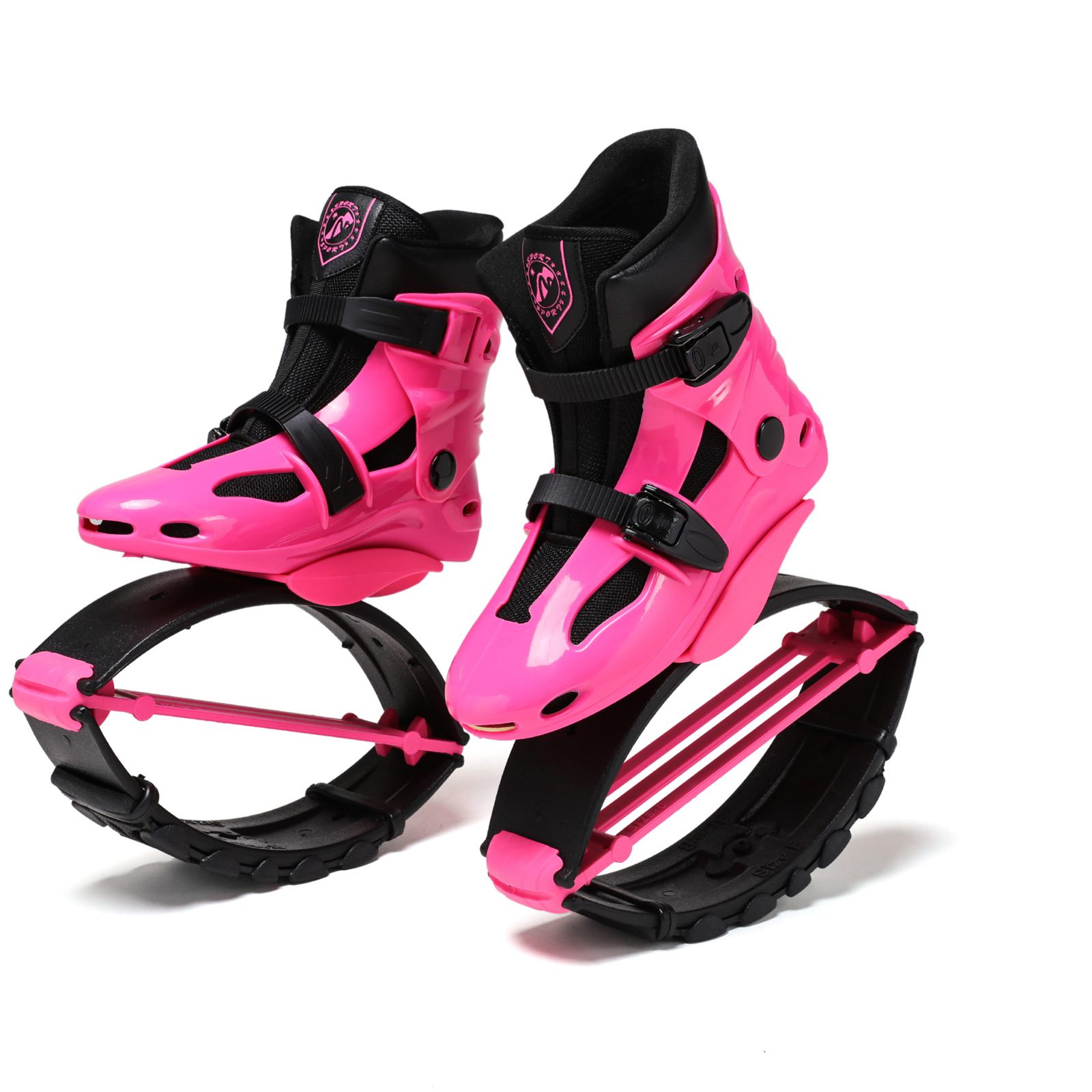
A focused opening range helps staff learn the product and makes customer feedback easier to interpret. Use real product photos to compare the shell, fastening layout, rebound assembly, floor-contact parts, liner, color treatment, and visible differences between models.
Do not assume that two similar-looking products share the same fit or parts. Ask the supplier to connect every image, size chart, sample, and quotation to a consistent model reference. The sample order checklist can help turn the selected range into a controlled physical review.
Size coverage
Build the size mix from expected customers, then measure demand.
Ask for the current size and applicable load guidance for each model. Map the expected customer foot-length distribution before assigning units. Avoid copying a generic shoe-size mix or assuming one printed size works identically across products.
| Retail step | Action | Record |
|---|---|---|
| Plan | Estimate likely foot lengths and relevant load ranges for the target customer group. | Assumption source, date, and confidence level. |
| Sample | Test representative sizes with the supplier's current model guidance. | Model, size, tester information, fit result, and questions. |
| Launch | Separate sale stock, display pairs, and any staff fitting pairs. | Available inventory by model, color, and size. |
| Learn | Record requested sizes, completed fittings, sales, returns, and out-of-stock requests. | Weekly or monthly demand pattern rather than anecdotes. |
| Reorder | Adjust the mix from actual demand while retaining necessary display or backup coverage. | Reason for every increase, reduction, or discontinued option. |
Use the jump shoes size and load guide when preparing the initial size discussion.
Retail evidence
Prepare product, safety, and service references for staff.
A good retail information set gives each image and document a clear job instead of asking one lifestyle photo to answer every customer question.
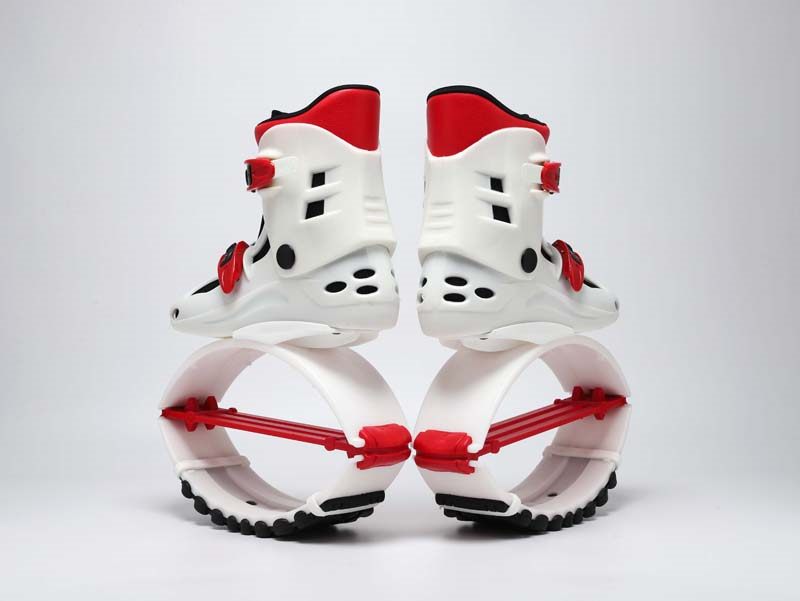 Range comparison
Product reference
Show the actual configuration
Use model-specific photos and copy so staff and customers can distinguish options without transferring details between products.
 Staff reference
Beginner information
Keep instructions available
Make current instructions, protective-equipment guidance, fitting checks, and stop-use rules easy for trained staff to access.
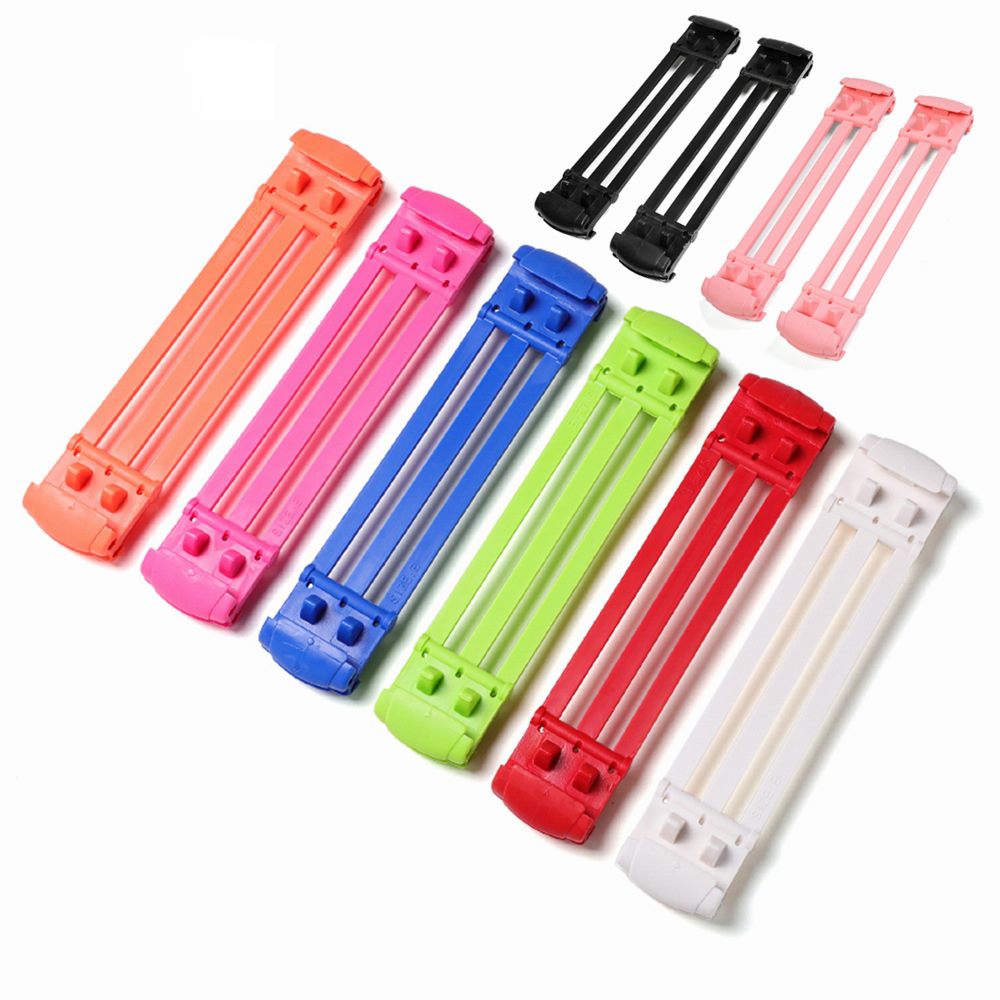 Service options
After-sales planning
Confirm compatible parts
Discuss parts by exact model and intended service role instead of assuming similar-looking components are interchangeable.
Assisted fitting
Design the fitting area before inviting customers to try.
A retailer offering fitting or demonstration should define the space, staff role, customer screening questions, protective-equipment guidance, first-use progression, and equipment inspection process. Follow the instructions for the exact model and keep the area clear of unrelated store traffic.
Staff should confirm the current model-specific size and applicable load guidance, inspect the liner, shell, straps, buckles, spring bars, hardware, frame, and floor-contact components, then explain fastening and gradual beginner practice. Any uncertain pair should stay out of use until checked.
Before a fitting
- Confirm the customer and product match the current model guidance.
- Inspect the complete pair and fastening components.
- Use an appropriate, controlled fitting area.
- Explain protective equipment and supervised beginner practice.
- Separate display, ready, sold, and service-needed pairs.
- Record unusual fit, movement, sound, or component questions.
Store operations
Create one customer journey from question to after-sales support.
A repeatable workflow makes the product easier to sell accurately and gives management better reorder information.
| Stage | Staff action | Business record |
|---|---|---|
| Discovery | Ask about intended use, experience, foot length, relevant load range, and preferred model or color. | Demand that did not yet become a fitting or sale. |
| Product match | Use current model references and the appropriate chart; explain what remains to be confirmed. | Selected model, color, and size. |
| Fitting | Follow the controlled fitting process and document concerns rather than improvising product claims. | Fit completed, alternative requested, or no suitable stock. |
| Sale handoff | Provide the correct included materials, beginner guidance, care information, and contact route. | Sold SKU and any recorded customer question. |
| After-sales | Request whole-product and close-up photos before matching a replacement component. | Issue type, model, size, part, outcome, and stock used. |
Receiving control
Turn the sample approval into a repeatable receiving check.
For each delivery, compare the purchase list with carton labels, model, color, size, quantity, included materials, and visible condition. Photograph the closed carton, label, open carton, and any discrepancy before stock is mixed into the retail range.
Ask the supplier which packing and labeling points are standard and which require confirmation for the actual order. The wholesale packing photo guide provides a useful visual evidence checklist.

Inventory learning
Reorder from evidence, not only the fastest-selling color.
Review sales together with fitting requests, out-of-stock demand, return reasons, staff questions, and parts use. A size that sells slowly may still be necessary for range credibility, while repeated requests for a missing size may reveal demand that sales data alone cannot show.
Sell-through
Track units sold by model, color, and size over a consistent period.
Unmet demand
Record requested products that were unavailable or unsuitable during fitting.
Service load
Track returns, questions, repairs, replacement parts, and staff time by model.
FAQ
Jump shoes for sports retailers: common questions.
Are jump shoes suitable for sports retailers?
They may suit retailers that can explain model differences, match customers to current size and applicable load guidance, control in-store fitting, provide beginner information, and support compatible replacement parts.
Which sizes should a retailer stock first?
Start from expected customer foot lengths and applicable load ranges, then test a mixed-size plan. Use actual fitting and sales records before increasing stock.
How should a sports shop manage fitting?
Use trained staff, the current model chart, a controlled area, pre-use inspection, clear beginner guidance, and separate status for display, ready, sold, and service-needed pairs.
Which spare parts should retailers consider?
Retailers may discuss compatible straps, buckles, spring bars, floor-contact mats, screws, and liners. The right mix depends on models, volume, service responsibilities, and supplier guidance.