First wholesale order planning
Jump Shoes MOQ: Plan the Right First Wholesale Order
The useful question is not simply “What is your minimum order?” A buyer needs to know which model, colors, sizes, packing, spare parts, customization, and delivery scope the MOQ covers. A clear order structure makes supplier answers comparable and reduces slow-moving inventory.
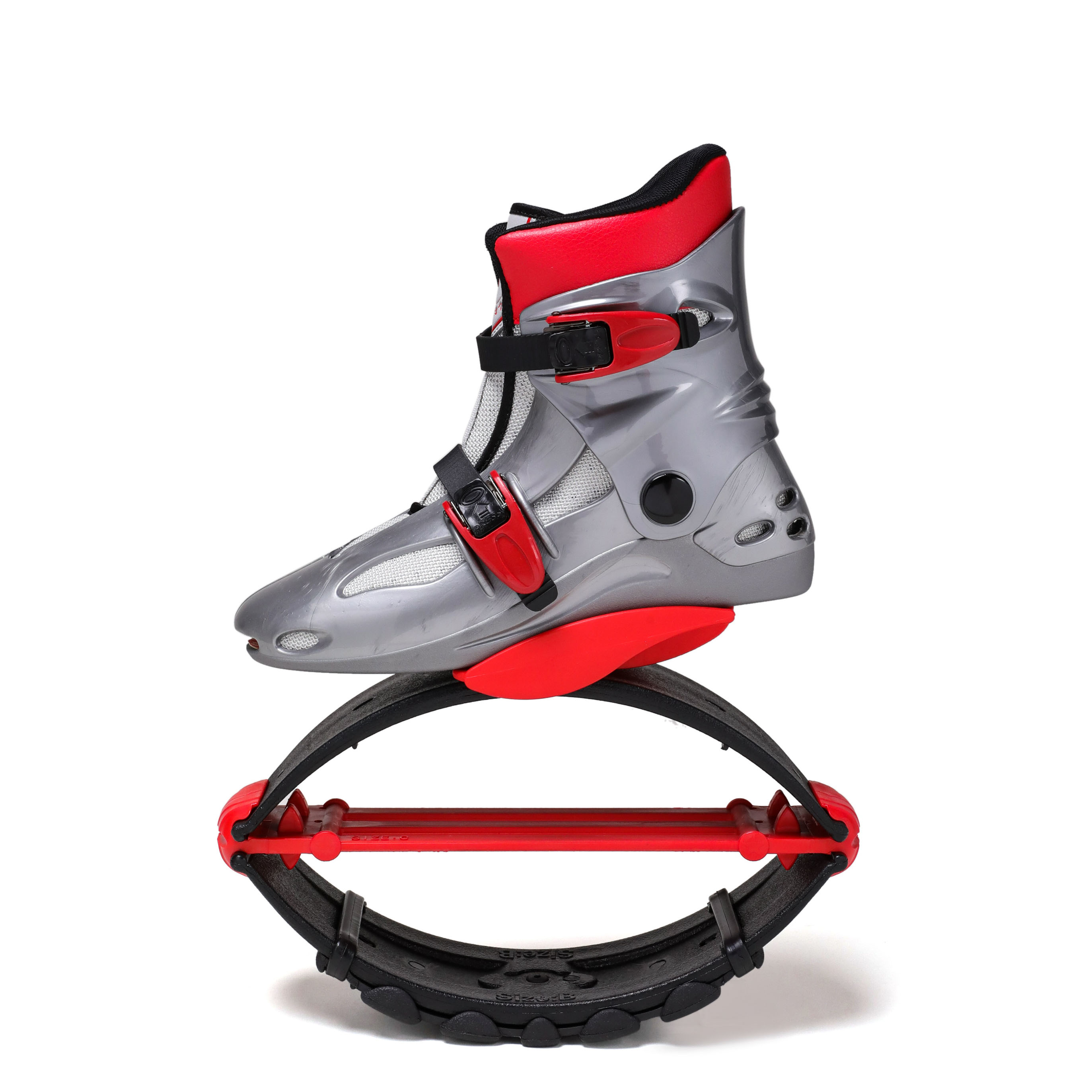
Start with scope
MOQ is attached to a configuration, not just a product name.
Minimum order quantity can change when a buyer switches model, color, size mix, packaging, labeling, logo treatment, included materials, or spare-parts bundle. Stock availability and production planning may also affect what a supplier can offer at a particular time.
Use the wholesale jump shoes buying guide to clarify buyer type and model direction. Then request written terms for the exact order rather than carrying one MOQ number from a sample page into a different bulk or customized project.
Sample order
A small evaluation purchase used to check a model, size guidance, components, packing, and communication.
Standard wholesale
An order using confirmed product and available packing options with a defined color and size mix.
Private label
An order that adds artwork, labels, packaging, or other approved customization and its own feasibility rules.
MOQ factors
Ask how each order decision changes the minimum.
The supplier should answer against a written configuration so the buyer can see which choice creates the constraint.
| Order decision | Buyer question | Record to request |
|---|---|---|
| Model | Is the MOQ per model, product generation, or total order? | Exact model name and product reference. |
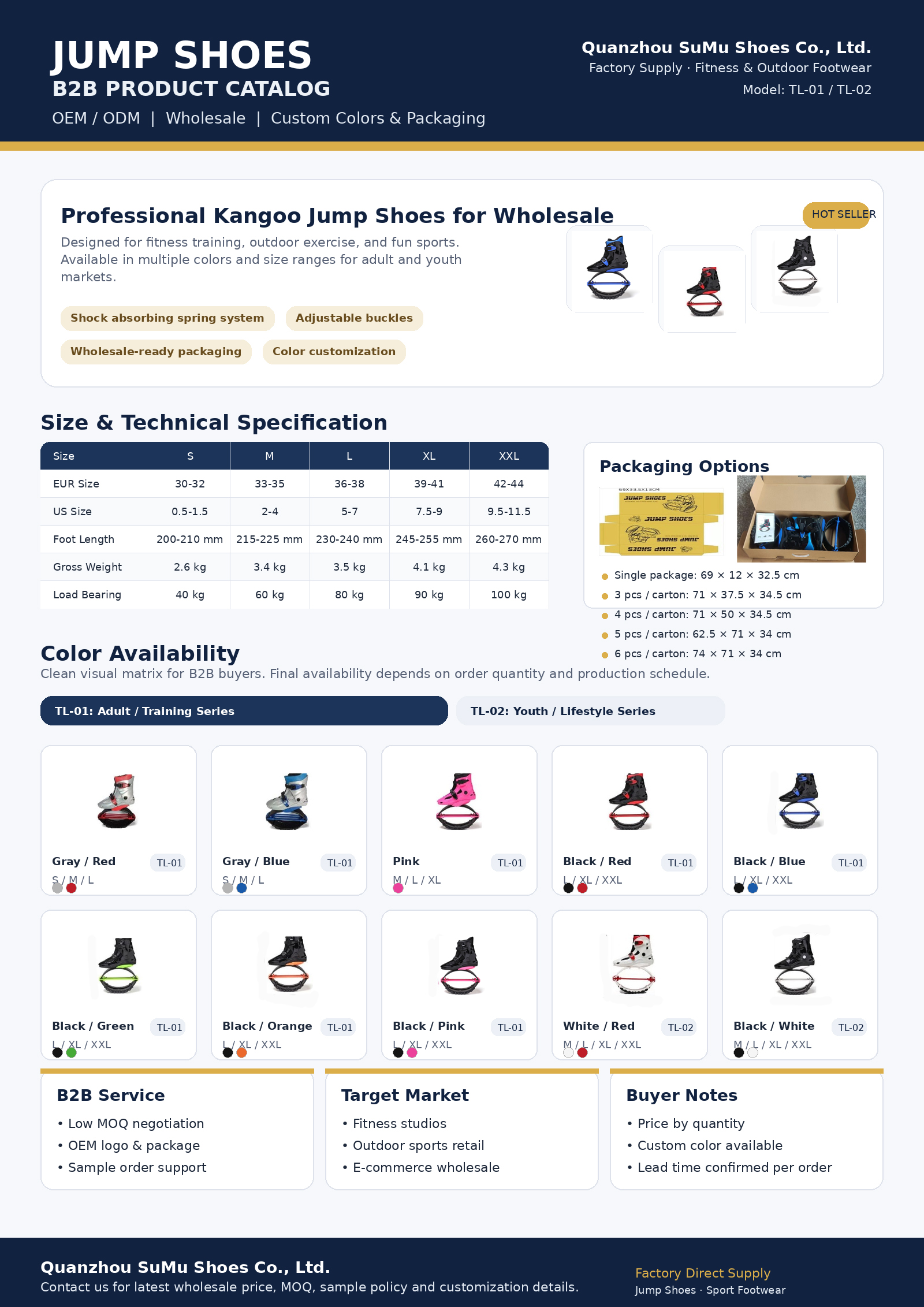
| Color | Can colors be mixed, and is there a minimum per color? | Available color list and quantity breakdown. |
| Size | Can sizes be mixed within a model and color? | Size matrix with quantities per combination. |
| Packing | Does standard, mixed, retail, or custom packing change the minimum? | Pack method, carton arrangement, label scope, and included materials. |
| Branding | Which logo, label, color, or packaging changes require a separate quantity? | Feasibility response, artwork proof, sample rule, and quoted scope. |
| Spare parts | Can service parts be added independently or bundled with shoes? | Part compatibility, colors, quantities, and packing. |
| Delivery scope | What order volume and package data are used for freight discussion? | Carton count, weights, dimensions, destination, and agreed terms. |
Assortment before quantity
Choose a focused model and color range for the first order.
Every additional model, color, and size combination divides the same inventory budget into more SKUs. A broad catalog can look attractive, but it also makes demand harder to read and reorders harder to plan. Start with combinations that match a defined customer and sales channel.
Retailers may prioritize visual variety and assisted fitting. Gyms and rental operators may prioritize stable size coverage, cleaning workflow, and repair stock. Import distributors need an assortment that downstream buyers can understand and replenish.
Size mix
Build quantities from likely users, not an equal split.
Use available customer, fitting, preorder, rental, retailer, or comparable sales data to estimate the size distribution. Record assumptions when direct data is unavailable. Keep the supplier-provided size and applicable load guidance tied to the exact model.
Size planning inputs
- Target user group and sales channel.
- Model-specific available sizes and guidance.
- Preorders, inquiries, fitting records, or comparable sales.
- Fast-moving sizes and the cost of stockouts.
- Slow-moving sizes and the cost of excess inventory.
- Reorder timing and supplier availability.
See the jump shoes size and load guide for a model-specific planning workflow.
Sample first
Use samples to answer product questions before committing to assortment depth.
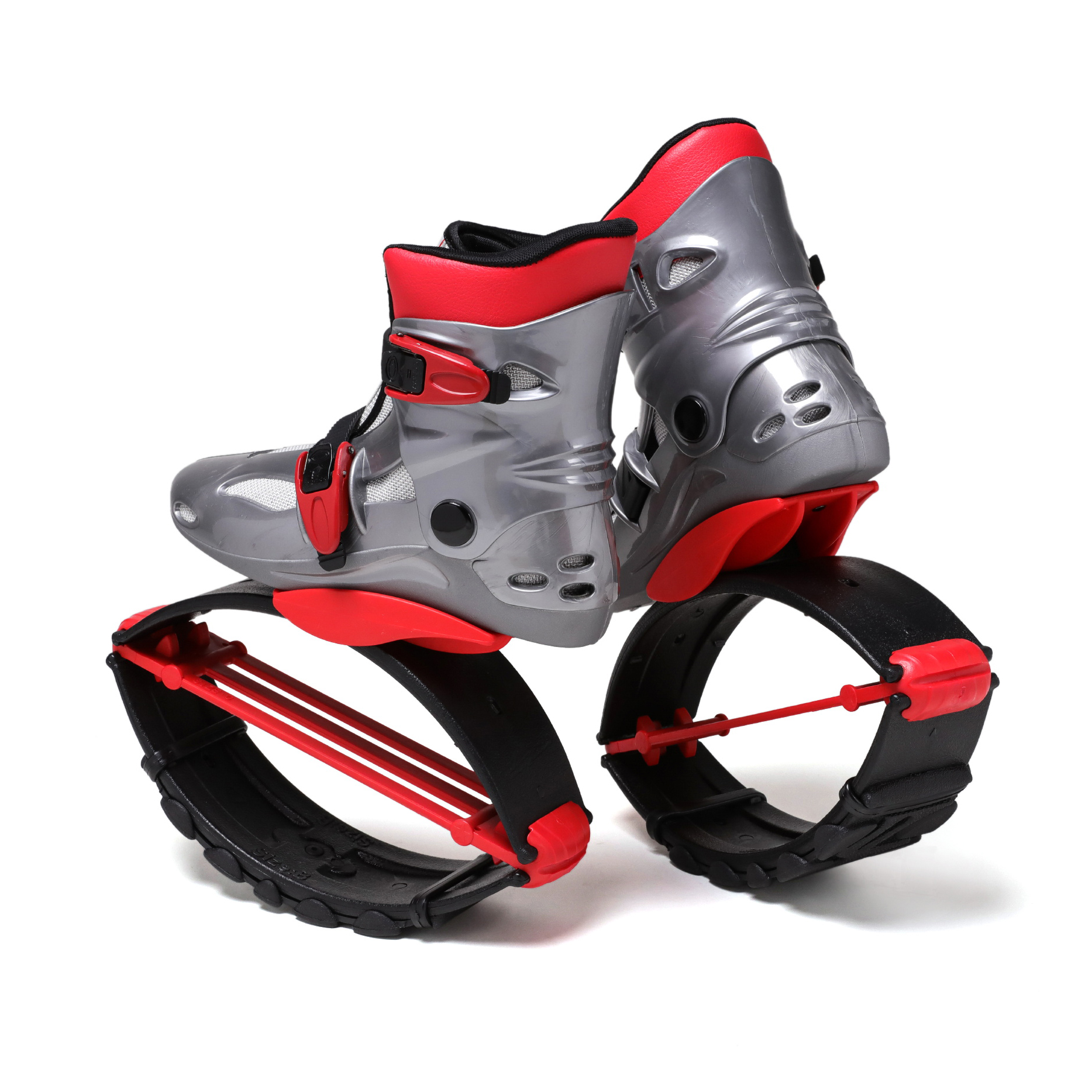
A sample can help the buyer confirm model identity, visible construction, size guidance, fastening, rebound components, floor-contact parts, instructions, packing, and communication quality. Write down what the sample approves and what still requires bulk-order confirmation.
Follow the jump shoes sample order checklist. Sample approval should become an input to the purchase order and later inspection, not an informal memory.
Budget test
Evaluate total inventory exposure, not unit price alone.
A larger order may change the unit price, but it also increases cash tied up in products, packing, freight, import costs, storage, marketplace fees, marketing, returns, service stock, and slow-moving combinations. A smaller order may carry a different price or packing structure while reducing untested inventory exposure.
| Cost layer | Planning input | Decision question |
|---|---|---|
| Goods | Model, quantity, sizes, colors, included items, and quoted unit basis. | Does the quote cover the same configuration being compared? |
| Customization | Artwork, samples, labels, packaging, tooling, approvals, and revisions where applicable. | Which costs are one-time, recurring, conditional, or excluded? |
| Logistics | Cartons, dimensions, weights, pickup, freight, insurance, destination, and delivery scope. | Which party handles and pays for each stage? |
| Import and selling | Broker review, duties and taxes, storage, channel fees, marketing, returns, and support. | What cash remains available after the complete landed and selling cost? |
| Inventory risk | Expected sales rate, size distribution, seasonality, reorder time, and markdown plan. | How long can the business hold a slow-moving SKU? |
Carton planning
Confirm how the MOQ becomes sellable and countable cartons.
An order total is only useful when the buyer understands how products are packed. Ask whether cartons contain one model, color, or size; whether mixed cartons are available; how labels show the breakdown; and how carton totals reconcile with the purchase order and packing list.
The jump shoes packing guide shows the closed-carton, label, open-carton, and shipment evidence buyers can request before release.

After-sales stock
Add service parts based on the buyer's operating model.
A retailer, rental fleet, gym, and distributor may need different spare-part coverage. Discuss model-matched buckles, straps, liners, contact parts, springs, hardware, or other available components. Confirm compatibility using the exact shoe model, size, color, and clear photos.
Use the jump shoes replacement parts guide to prepare a starter list. Keep the shoe MOQ and each spare-part quantity visible as separate lines so the quotation remains clear.
Customization
Expect private label choices to create separate MOQ questions.
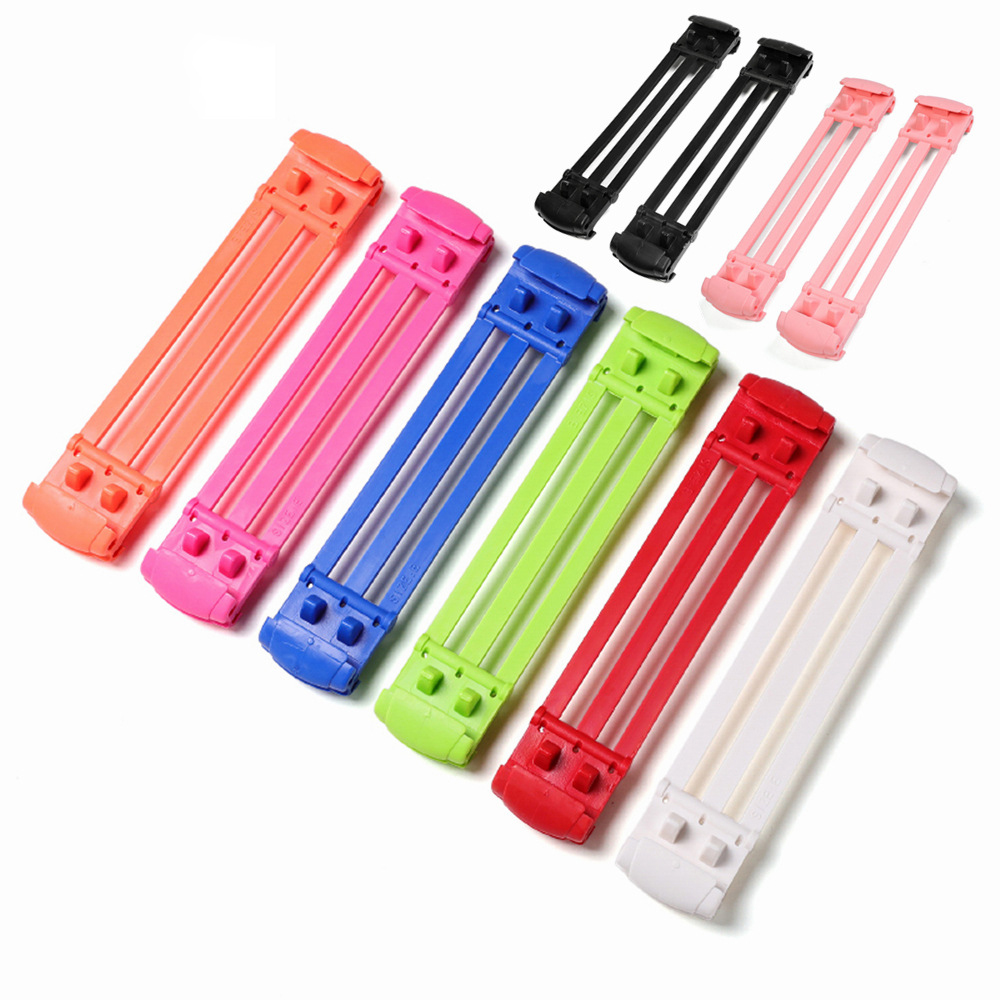
Logo application, custom colors, printed labels, inserts, retail boxes, carton marks, or other changes can involve different materials, production steps, artwork, samples, and approvals. Ask the supplier to mark each requested element as standard, available with conditions, requires a sample, or unavailable.
The private label jump shoes checklist provides a controlled brief for product, artwork, packaging, sample, and approval decisions.
Quote-ready worksheet
Send one structured first-order request.
A useful request lets the supplier answer with a configuration-specific minimum, not a vague number.
Buyer and market
Country, buyer type, sales channel, intended users, and destination.
Product scope
Model, colors, size mix, quantity by combination, and sample status.
Packing scope
Unit packing, carton mix, labels, instructions, barcodes, and shipping marks.
Support scope
Spare parts, product photos, records, inspection, and receiving requirements.
Commercial scope
Quote currency, payment terms, delivery scope, timing question, and destination.
Alternatives
Ask for standard and customized options when the preferred configuration changes the minimum materially.
Supplier comparison
Compare MOQ answers line by line.
Confirm whether each answer applies per model, color, size, packing format, customization item, or total order. Compare product configuration, quantities, samples, unit basis, included materials, cartons, labels, spare parts, quality process, payment, delivery scope, and exclusions. Then use the supplier evaluation checklist to assess the broader relationship.
FAQ
Jump shoes MOQ questions.
What is the MOQ for wholesale jump shoes?
The applicable MOQ depends on model, colors, sizes, packing, customization, production status, and supplier terms. Request separate sample, standard wholesale, and private label requirements.
Can a first jump shoes order mix sizes and colors?
Mixed sizes or colors may be possible. Confirm available combinations, quantity rules, carton arrangement, labels, and price effect for the selected model.
Should a buyer order samples before meeting a bulk MOQ?
A sample can confirm product and supplier details before a larger commitment, but sample approval does not replace bulk inspection.
How should buyers compare jump shoes MOQ quotations?
Use the same model, color and size mix, packing, labels, parts, customization, quantity, destination, payment terms, and delivery scope.